
Is It Enough to Support Local as Locals?
Somewhere along the way, in the conversation of supporting local creatives, we may have forgotten a crucial part of what supporting creative work looks like, especially in a country like ours.
For years, "Support Local" has been the rallying cry we direct outward—urging the public, the corporate sector, and the government to invest in our arts and our creators. But as we move toward a more mature realisation of our industry, we have to ask a more difficult internal question: Are we, as creatives, supporting each other with the same fervour we demand from the world?
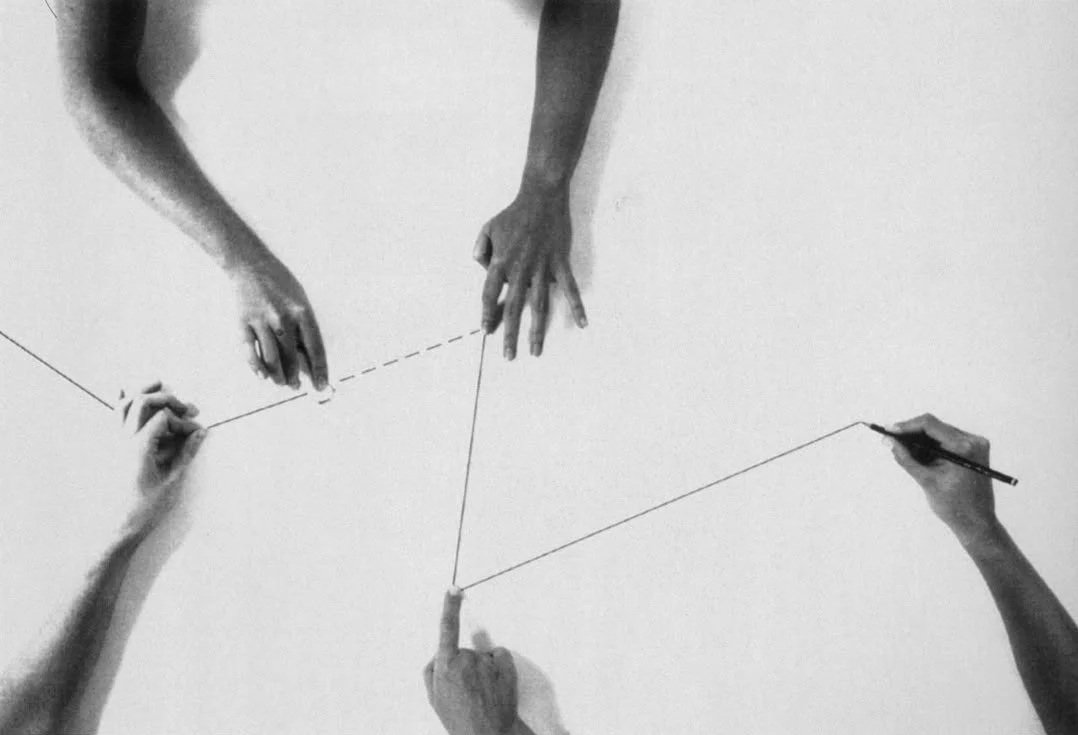
Think of the creative industry as a single, living body. If the heart (our musicians) doesn't know what the hands (our designers) are doing, or if the eyes (our filmmakers) ignore the pulse of the voice (our poets), the body can become disjointed, no?
While our creative scene isn't entirely siloed, we must move beyond the boundaries of our individual mediums and become active participants in the ecosystems of our peers.
Let’s Talk About the "Free Pass" Fallacy
To speak honestly, there is a pervasive challenge within our community, and that is the expectation of the "complimentary."
There is a culture where creatives expect free entry or "comps" from institutions and their peers. While it may seem like a small ask between friends, it signals a deeper devaluation of the work. If we, the architects of this industry, are hesitant to pay for a ticket, a garment, or a piece of art, we are inadvertently telling the public that our work isn't worth the price tag.
Active engagement, actually buying the ticket and paying the artist, is the first step in creating a sustainable, circular economy. When a designer pays for a musician’s concert, and that musician buys a painter’s work, we are doing more than merely "spending money"; we are keeping the blood flowing through the veins of our industry.
How can we be better if we don't do better ourselves?
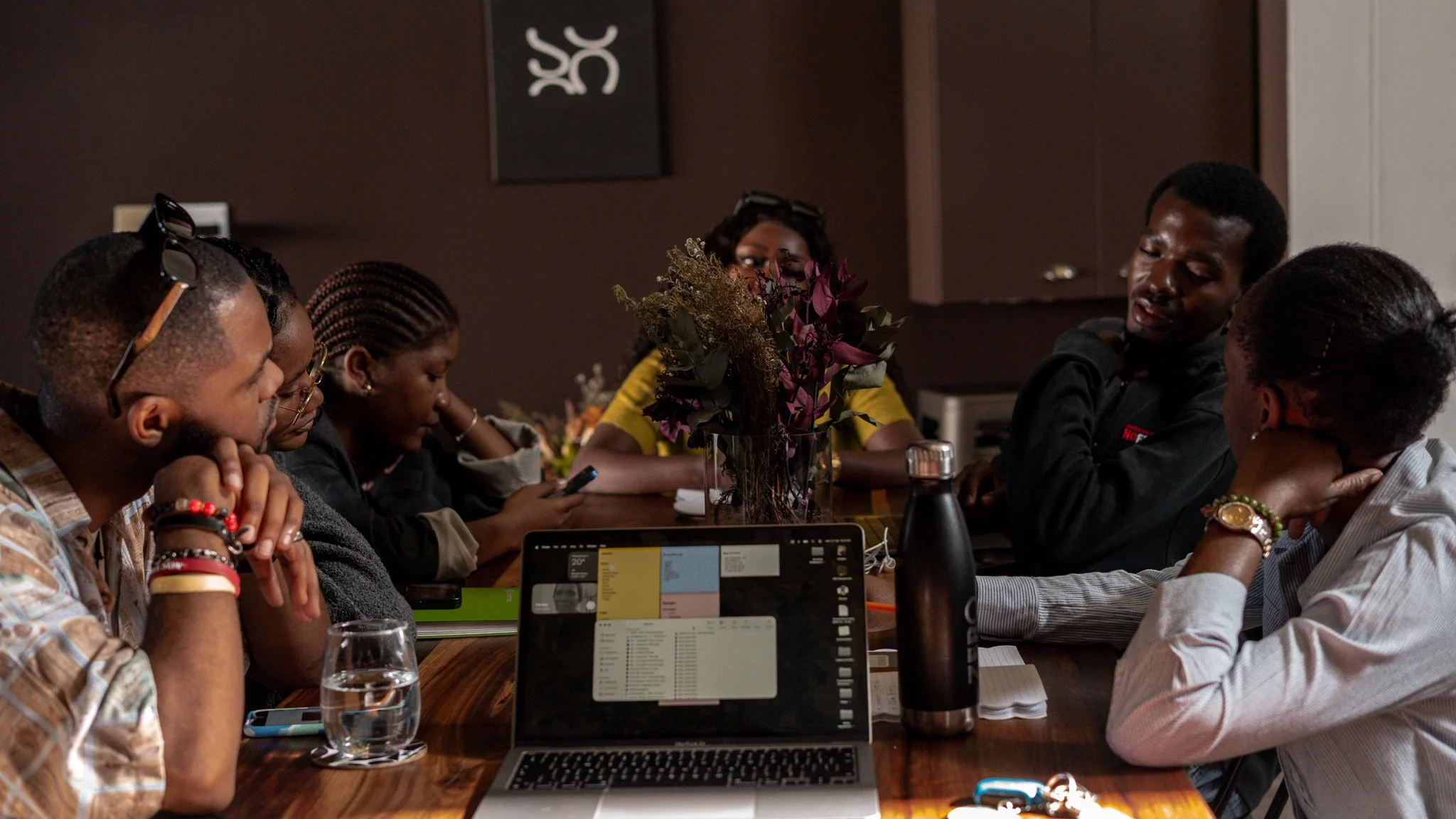
We Need to Cross-Pollinate
When we isolate ourselves by saying "fashion with fashion" and "film with film," we limit the vocabulary of our own craft. The most exciting work usually happens at the intersection of different worlds.
One good way we witnessed this was the closing show of last year’s Windhoek Fashion Week:
MN Creations presented their collection, Angels in Armour, described as a "symphony of fashion, poetry, and sound." They did this by integrating a live performance by the Youth Orchestra of Namibia, poetry by Nansunga Kambinda, and the vocal prowess of Lize Ehlers and Vocal Front, thereby shifting the showcase into a multisensory experience.
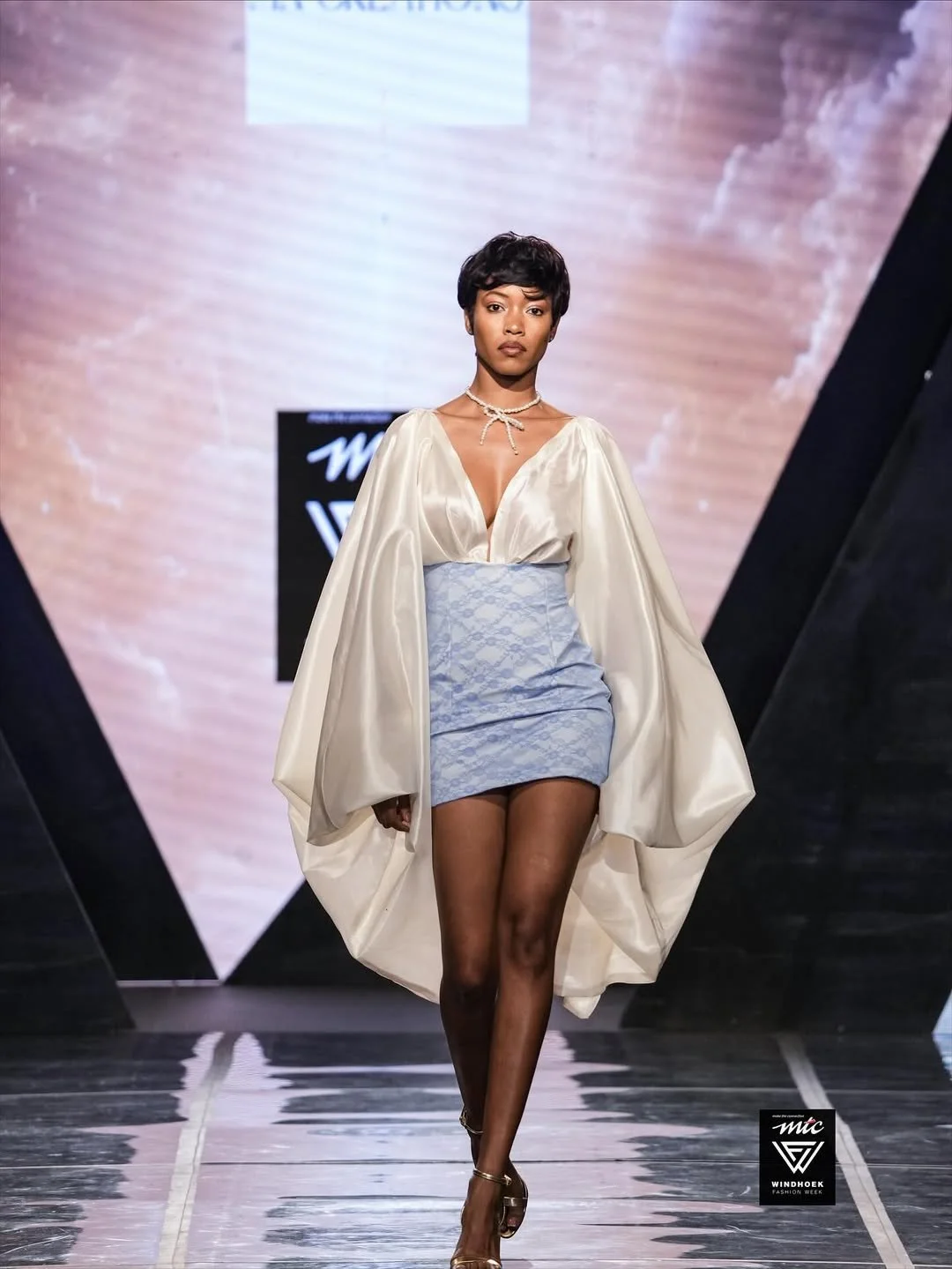
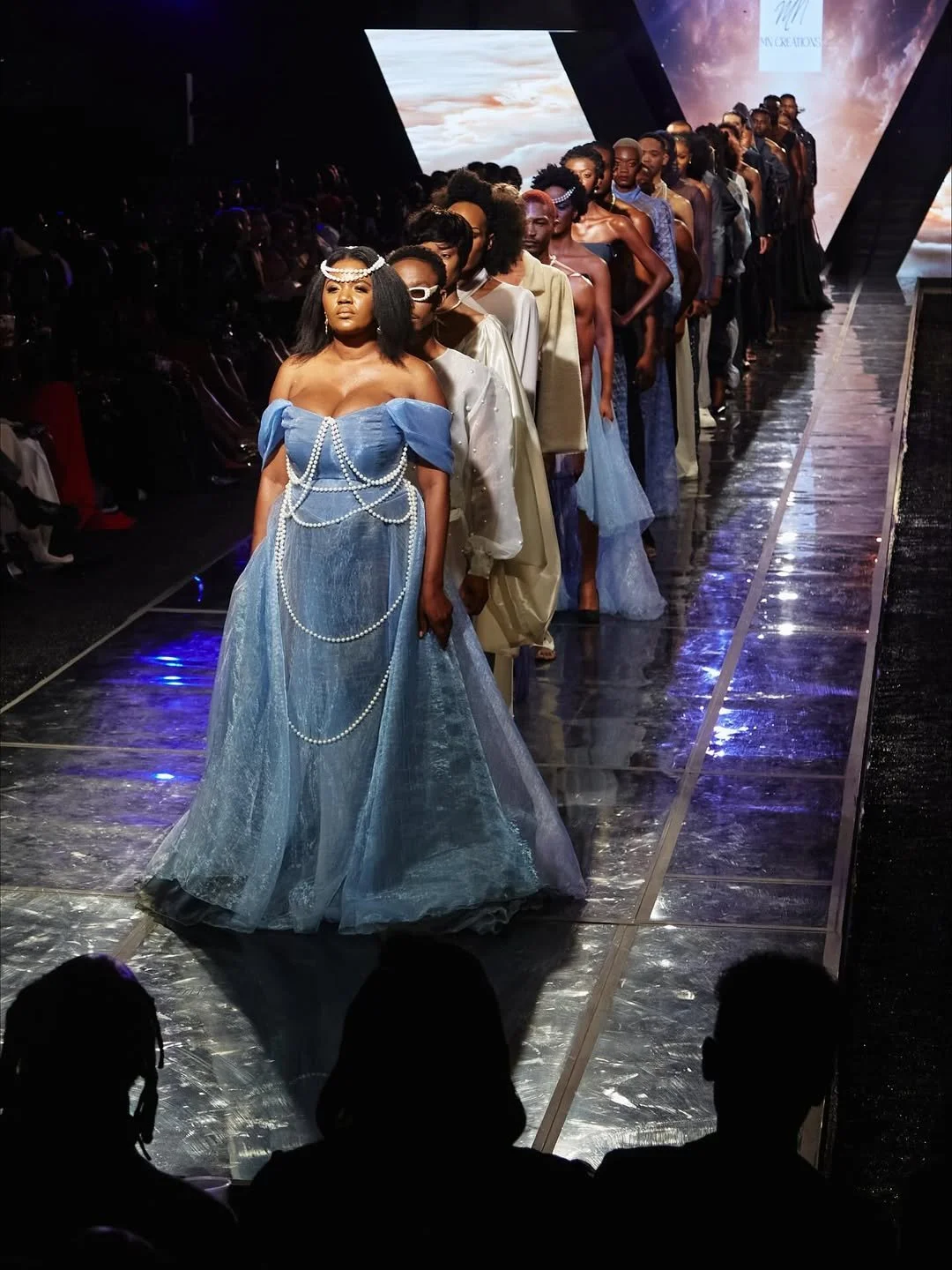
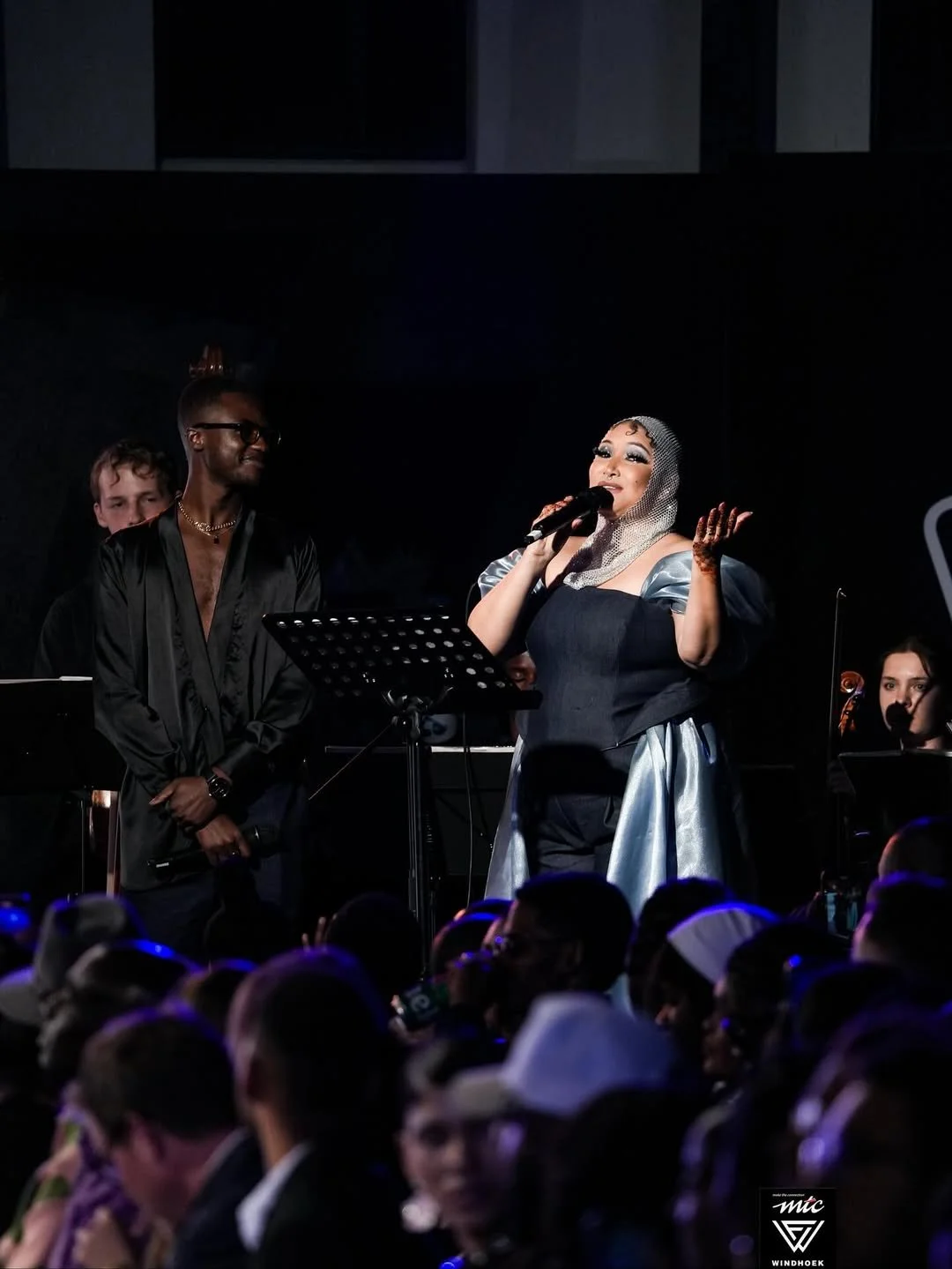
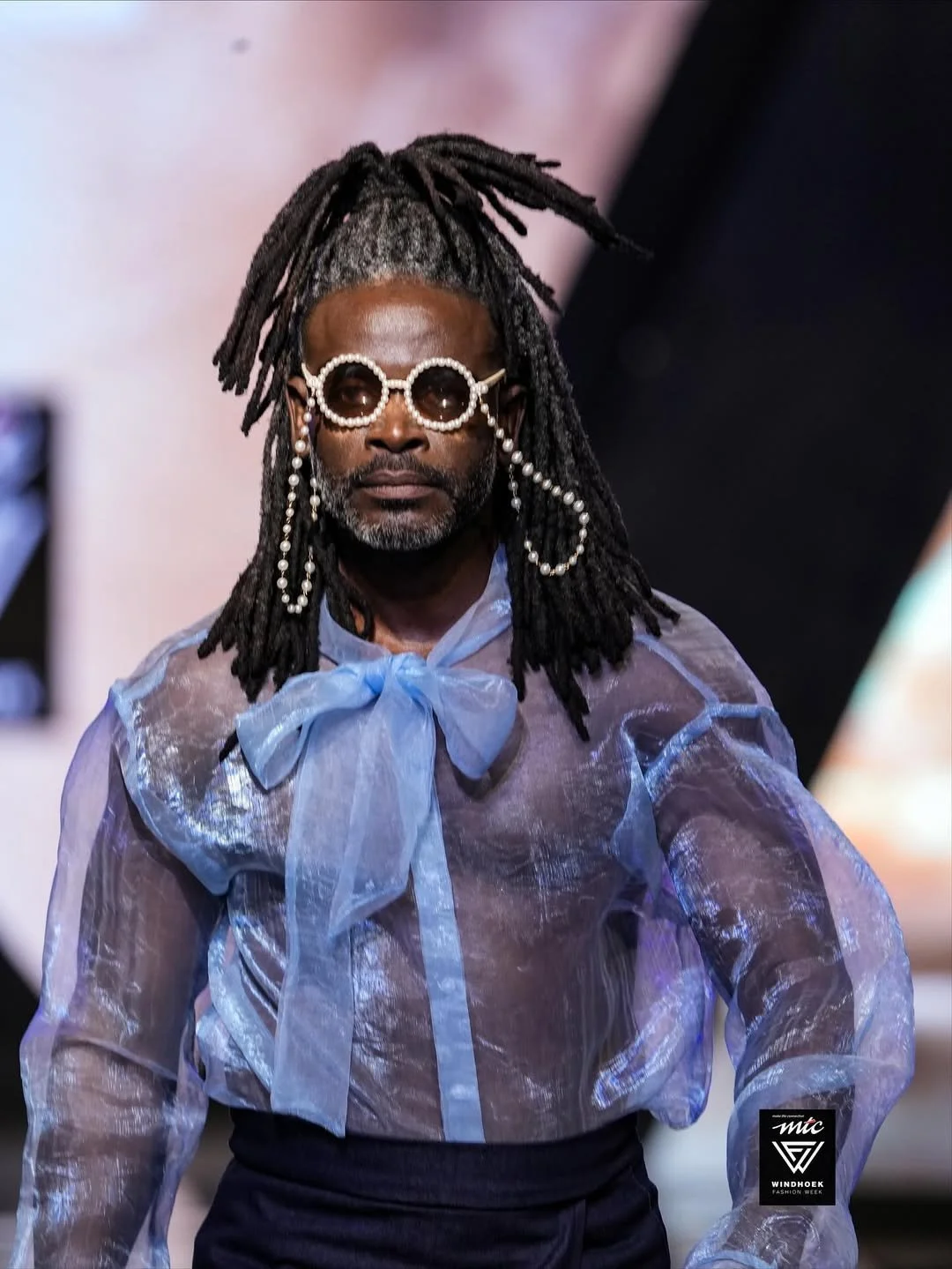
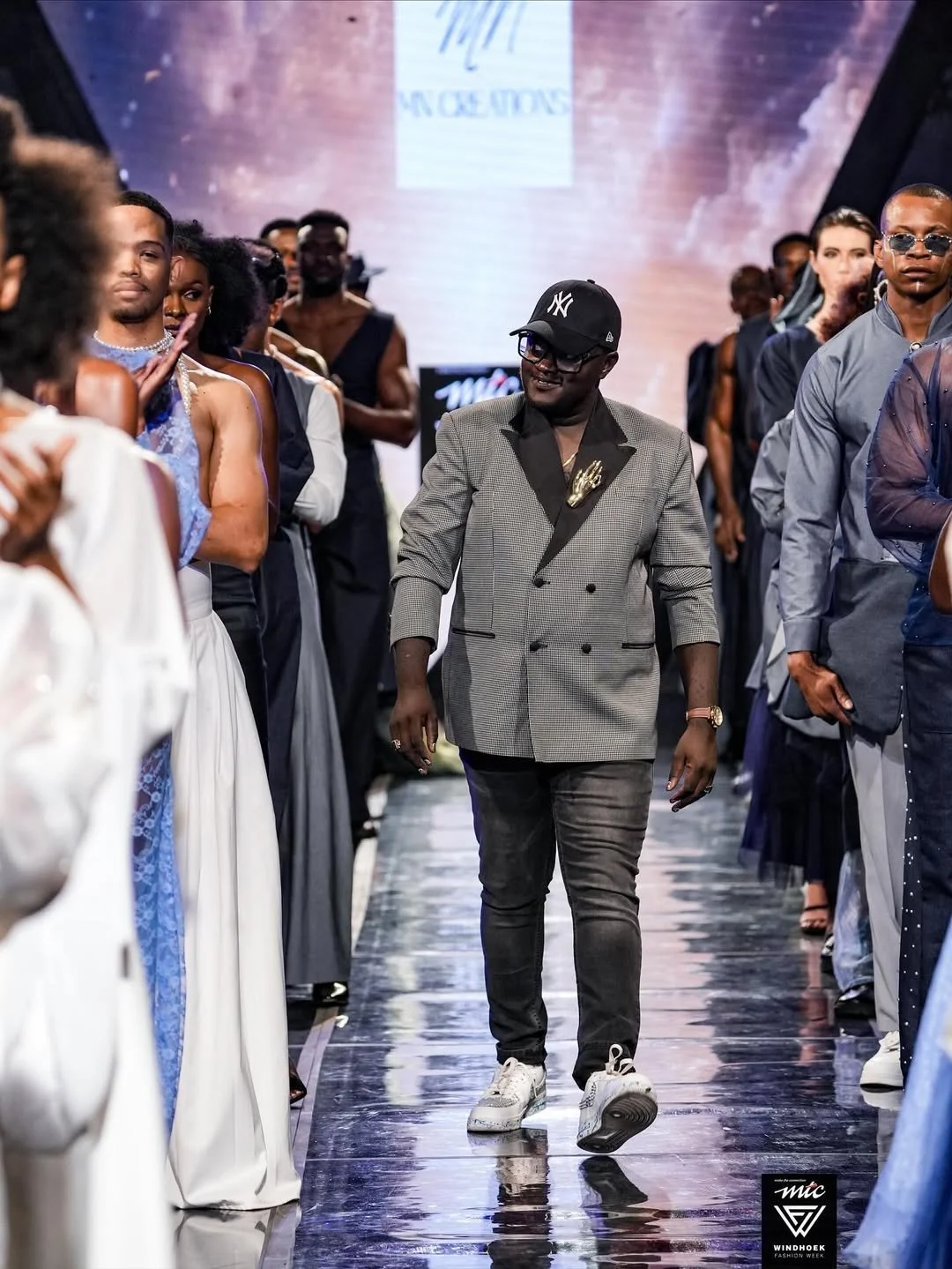
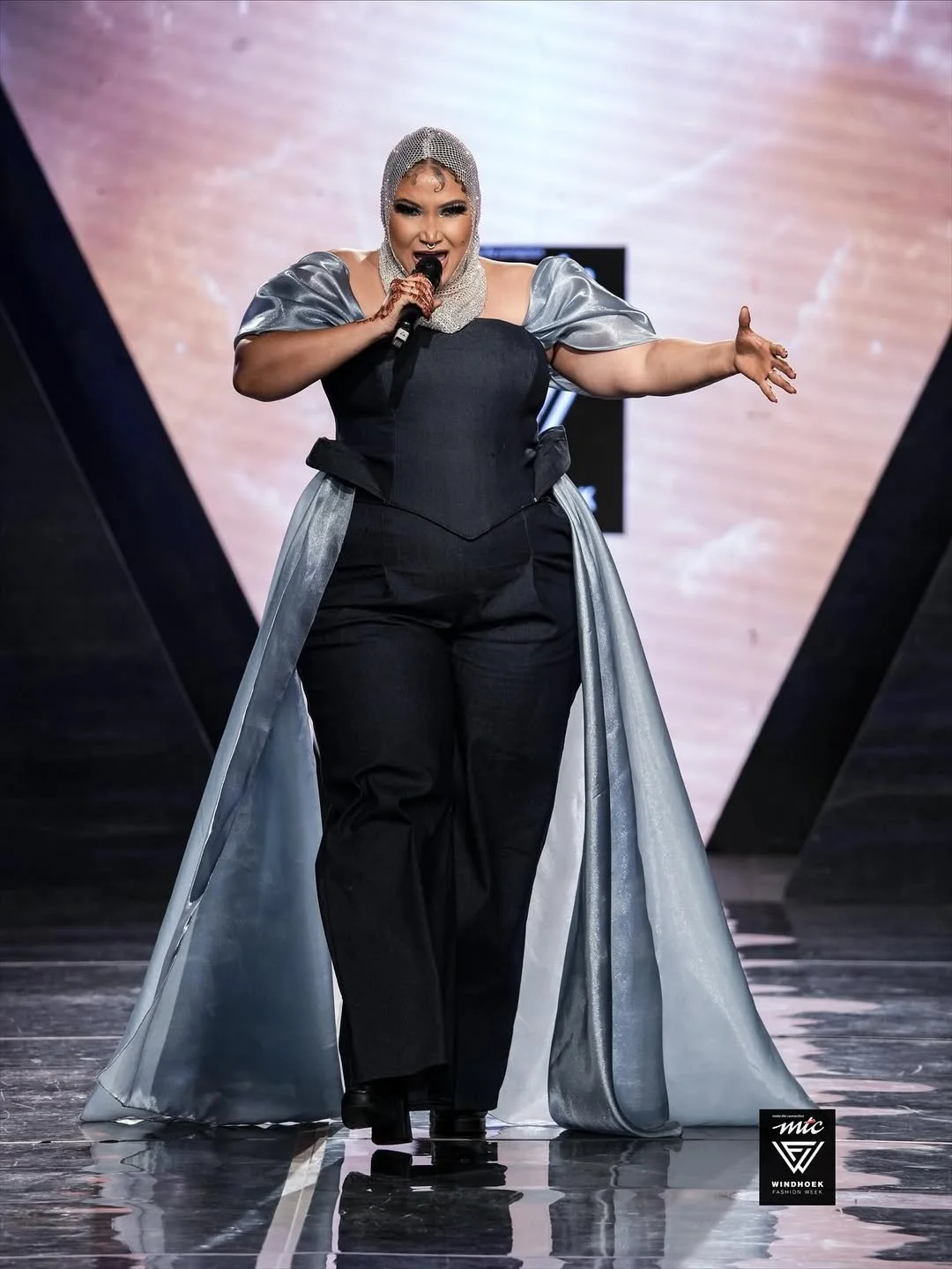
Each art form served as a layer of a single narrative, allowing the audience to feel the collection’s concept of ethereal strength rather than just seeing it. This is a perfect example of a creative feedback loop: the different mediums amplified and inspired one another to create something far greater than the sum of its parts.
The Strategic Value of Showing Up
When a designer attends a theatre production or a filmmaker goes to a photography exhibition, something big can happen; they engage in high-level networking.
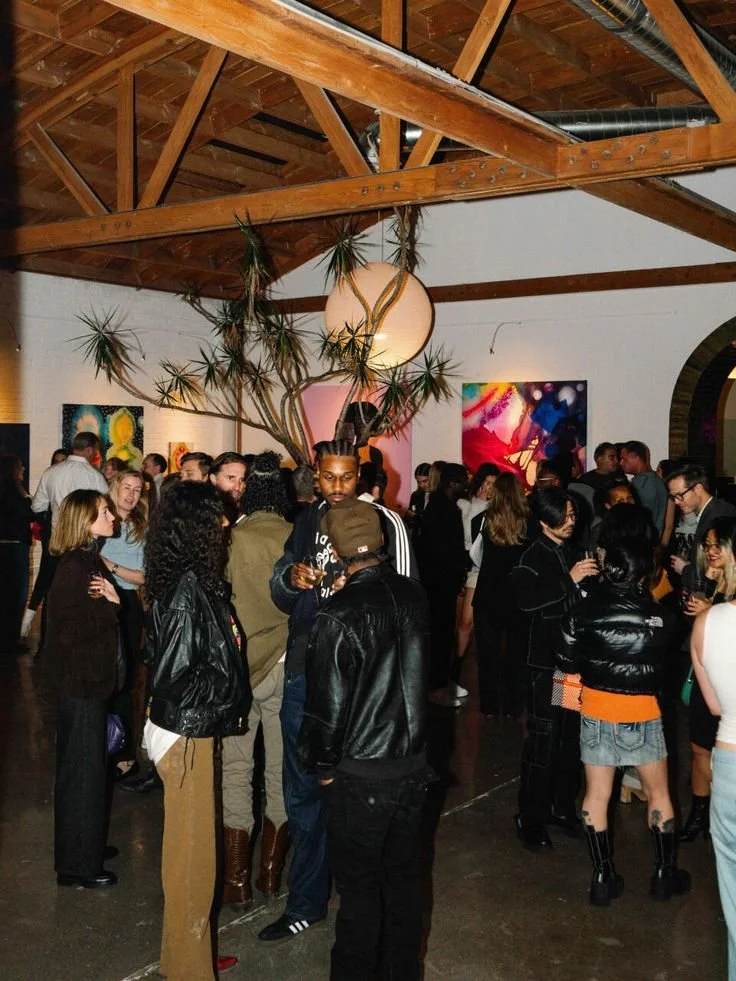
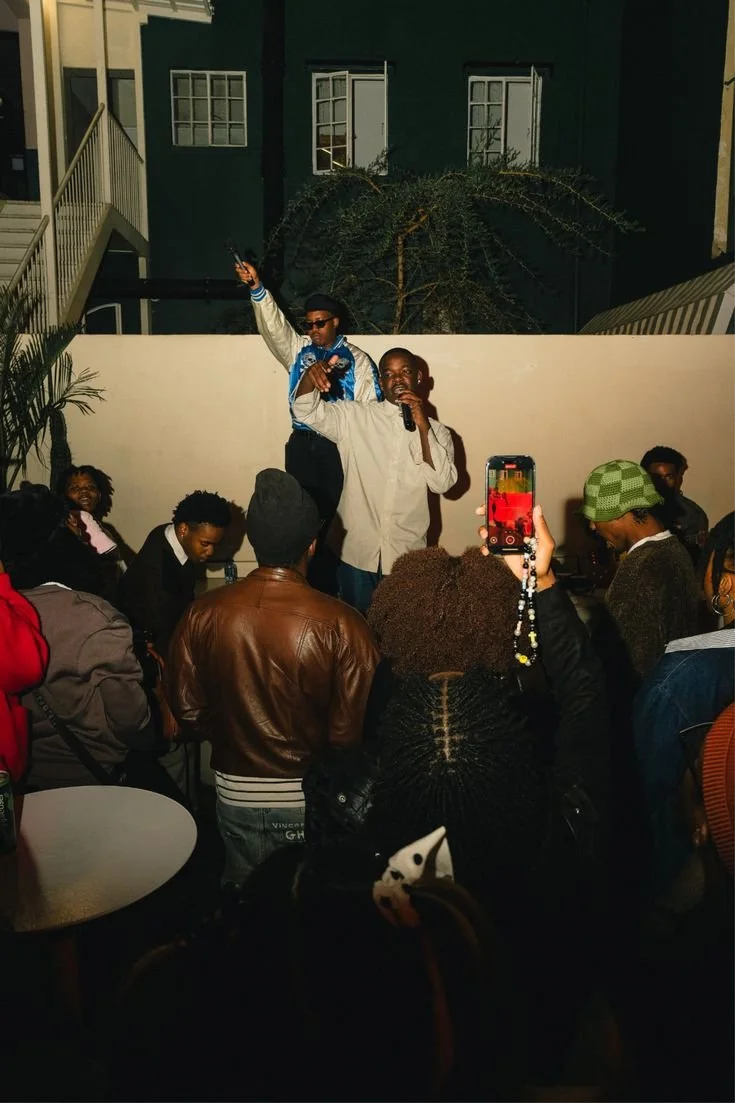
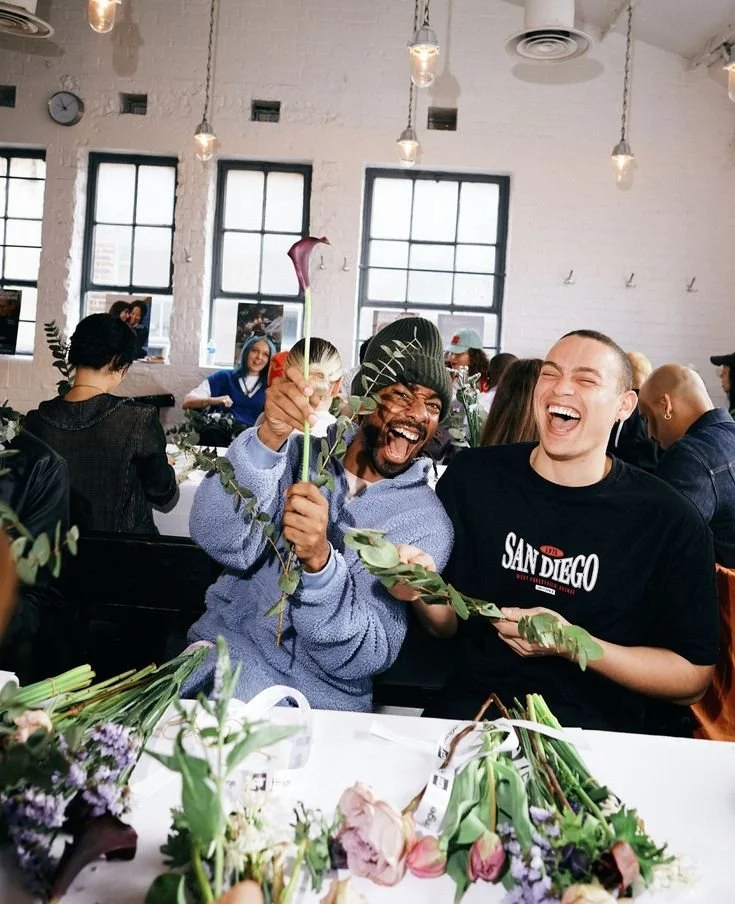
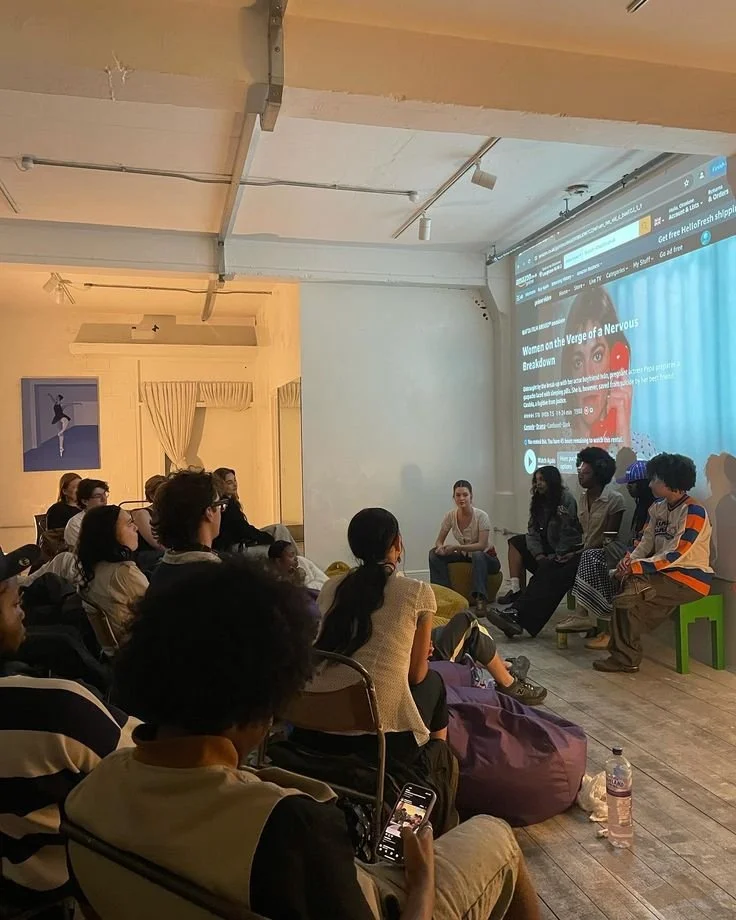
Supporting each other is a profound business strategy. That photographer you met at an opening might be the one to shoot your next campaign; that playwright might be the one to script your next commercial. By showing up, taking part in conversations, and mingling outside your usual circles, you open yourself up to a world that can literally inspire new things to come to life.
How Can We Do Better?
Friends, doing better starts with a few intentional shifts in how we navigate our industry:
Budget for your peers: Make it a habit to set aside a small "culture budget" each month to pay for tickets or local products.
Diversify your feed: Actively share and engage with work from mediums and creative works that aren't closely related to your own.
Show up as a student: Attend an event in a medium you know nothing about. Listen to how those creators talk about their work.
Buy the ticket: Even if something is offered for free and you’re able to pay, opt to pay for it instead. It is the highest form of respect you can show a fellow artist.
The question here should not just be whether we are supporting local, but rather, whether we are building an industry that is strong enough to support us in return.
The first step in answering this question happens when we look in the mirror.
