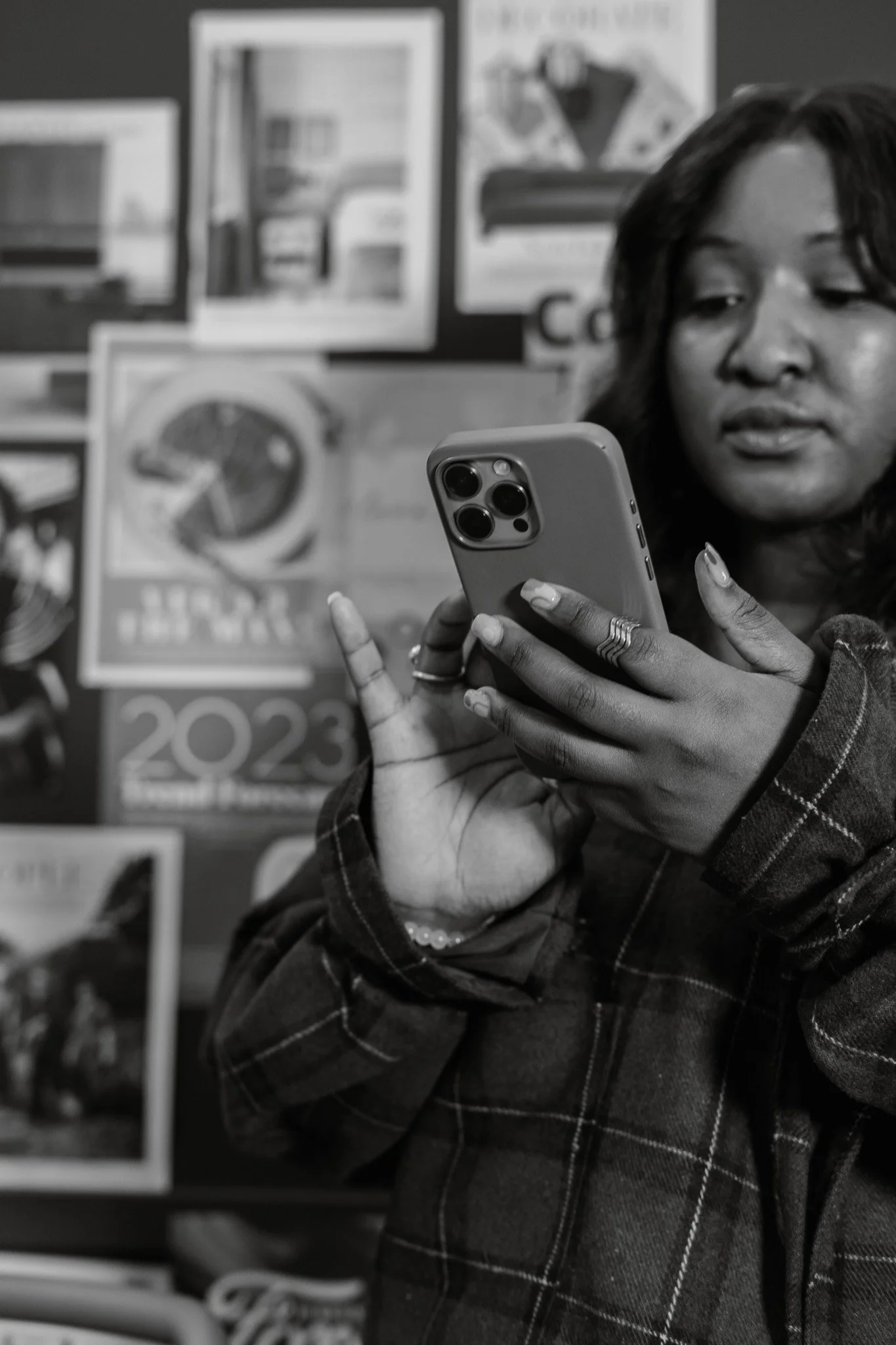
Nine questions for Betty Sibeso
We just celebrated 9 years of Beso, so we threw a few questions at our founder, Betty Sibeso, about the journey so far.
Nine years is a long time to build something. Long enough for the business to change, for the woman behind it to change, and for the two to sometimes have to figure out how to grow together.
So we went back to the beginning, through the hard seasons, the lessons, the pivots and the becoming — and asked Betty what nine years of Beso has taught her about creativity, ambition, success, identity and what it means to build something of your own.
Here’s what she had to say.
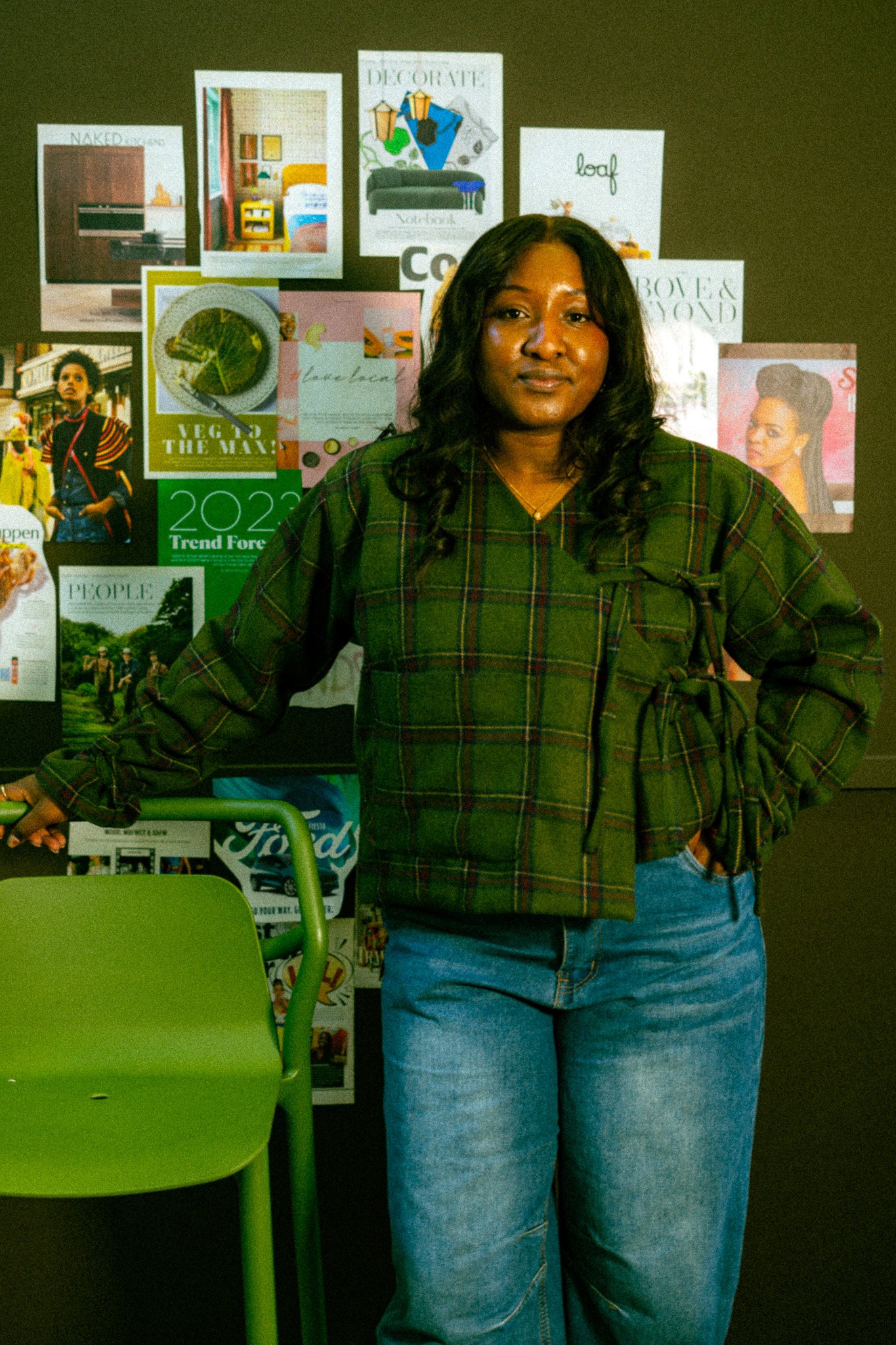
01 — ORIGIN
You started Beso at 24. What did that 24-year-old Betty believe she was building, and what do you know now that she couldn’t have known then?
Oh, how brave 24-year-old me was! I am so grateful for her.
Well… She believed she was building something Namibia and the creative industry desperately needed; Monochrome Magazine. She knew that to build it, she needed a reliable source of income, but also the freedom and flexibility to give the magazine the attention it deserved. So she believed that using the skills she had as a graphic designer would get her there.
And, in many ways, she was right.
What she couldn’t have known was just how hard the path would be. How almost everything would, at some point, seem to work against her. She was naive about the realities of building something from scratch, literally with no backing, safety net, or even parents to rescue her if she failed.
She also believed that if Namibia needed something badly enough, eventually people would recognise that need and support it. lol
What I know now is that sometimes a place can desperately need something and still not know that it needs it. Sometimes you have to build the thing, explain why it matters, keep believing in it when nobody quite understands it yet, and wait for the culture to catch up.
Twenty-four-year-old me thought she was building a magazine.
She had no idea she was building Beso.
02 — BECOMING
At what point did Beso stop being something you were doing and become something that was shaping who you were?
Definitely when Beso started becoming bigger than me.
There was a point where it stopped feeling like Betty’s business and became Beso.
People would speak about Beso as its own entity. They would talk about Beso, recommend Beso, have an opinion about Beso, recognise my team as Beso.
That was a strange, beautiful thing.
For so long, Beso had been an extension of me. My ideas, my taste, my skills, my ambition. But eventually, it developed its own identity, its own reputation, its own relationships and its own place in the creative industry.
It existed beyond me.
In that moment I realised I wasn't just running a business anymore. I was responsible for something that had a life of its own.
Beso was shaping how I saw myself, how other people saw me, what I believed I was capable of and, eventually, even what I wanted my life to look like.
In some ways, I built Beso.
But in many ways, Beso has built me too.
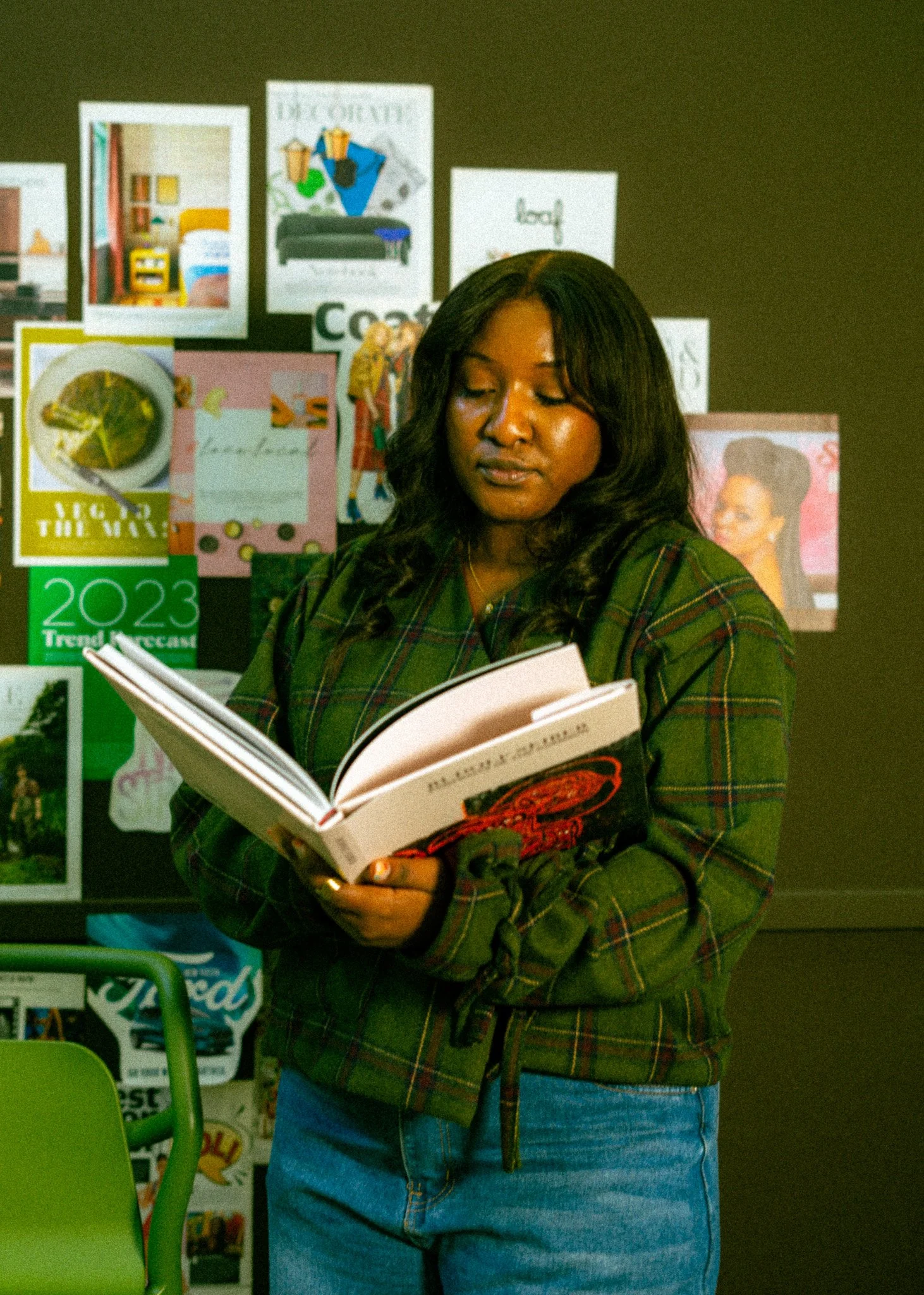
03 — SURVIVAL
Beso has survived nine years, including a year that nearly broke the version of the business you had built. What did that difficult season teach you about the difference between surviving and actually becoming stronger?
There were so many lessons from that season. So, so many.
But one of the most impactful ones, and one that still rings true today, is understanding ebbs and flows. This will not be the last time we go through something hard. Yes, that was the worst season Beso has ever experienced, but it was also, without a doubt, the most transformational.
It taught me that I needed to build the capacity to withstand the strong winds that could have quite easily wrecked me. And that becoming stronger doesn't always look like becoming tougher or learning to carry more on your own.
Sometimes becoming stronger means asking for help. Relying on others. Trusting others. Letting people hold things with you.
And, more tangibly, it taught me how important it is to build a business that is just as strong in its systems as it is in its founder and its people.
People get tired. People leave. Circumstances change. Good seasons end. Hard seasons come.
The business has to be able to breathe through all of that.
I think that is the difference between simply surviving something and actually becoming stronger because of it. Survival gets you through the storm. Strength is what you build so that the next one doesn't have the power to take you down.
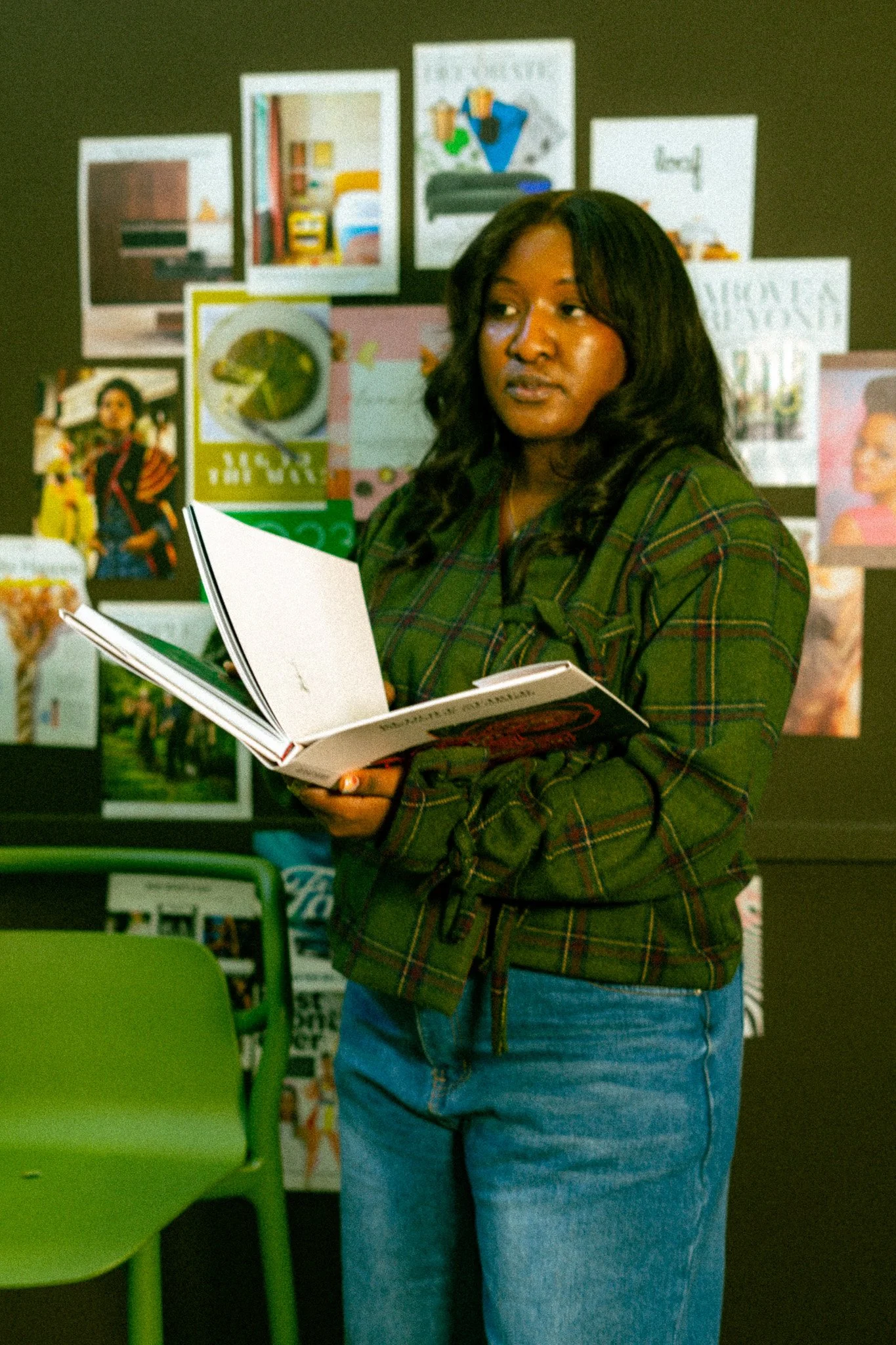
04 — AMBITION
For a long time, growth seemed like the obvious measure of success. What does success mean to you now, and what are you no longer willing to sacrifice for it?
In these 9 years, I have seen it all. Which means I have maxed all the experiences I imagined about running a business. I thought growth meant getting big corporate clients and then I got them and was like, “What the hell is this?'“.
I thought it meant getting a bigger team until I realised I am not wired to manage that many people. I thought success meant more money in the account, but it really is true. “Mo money, mo problems.”
Now, success to me means working with kind, thoughtful and like-minded people. It means working on projects I enjoy. It means my days can end; I don’t have to go continue working at home. It means I can take time off without guilt. It means I am taking better care of myself. Enjoying life and not just surviving payroll, deadlines, and crazy client expectations.
Success to me now means going back to what brought me joy when I first started this. Creating because I want to, not because I need to make money.
Basically, I am no longer willing to sacrifice my peace for the appearance of success.
05 — MEANING
You’ve always cared deeply about how things look, but increasingly you seem interested in what things mean. When did design become, for you, less about making things beautiful and more about giving ideas somewhere to live?
I think I have always been that way.
When I was younger, I would design my study cards beautifully (I enjoyed that more than actually studying). My plakboek brought other people and me joy, because of how well-designed it was, at least by the standards of that age. Mein Lesebuch. My final-year fashion and advertising projects were tied to each other. Looking back, they were all little clues pointing me towards the same dream of running a Namibian fashion and lifestyle magazine where I could tell the stories of Namibian talent and greatness.
I wanted somewhere to put our stories. Somewhere to hold them beautifully, for us to see ourselves in, but also for the rest of the world to see us.
That desire has followed me everywhere.
When I created Sketchy, I wanted it to be another place where our ideas could live. Namibian designers and creatives could imagine their work in a different format, but the products themselves would also quite literally become places where other people could write down their ideas, make plans and bring things to life.
When I started I Create Namibia, I wanted to create a platform that taught Namibian creatives how to turn their ideas into businesses.
When I started The Creator List, I wanted to build a platform that connected ideas with the creators who could bring them to life.
And Beso has been the thread running through all of it.
It has been the place where these ideas could come alive, take shape and offer something back to the people around me.
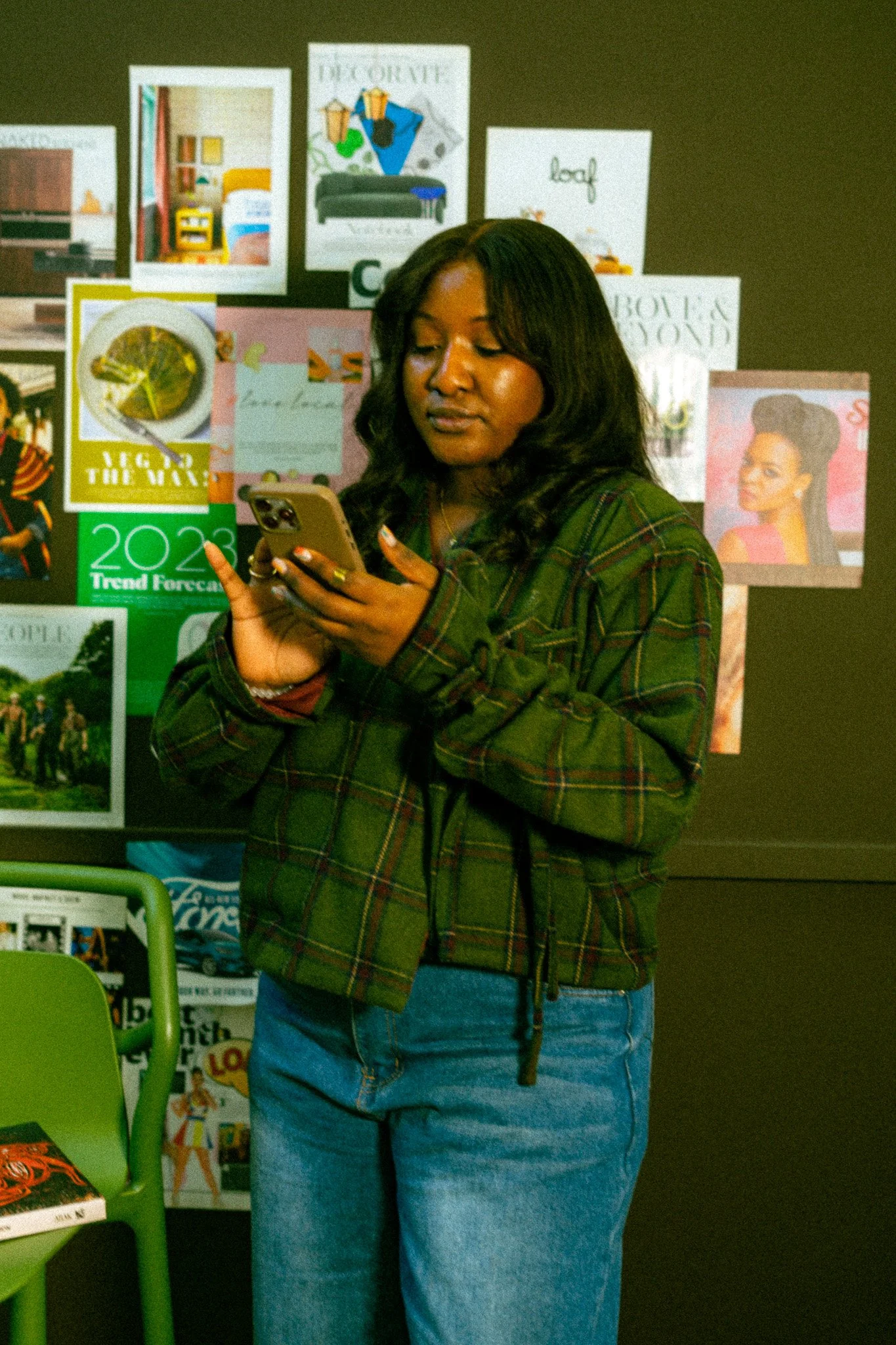
I've always wanted to make things that give ideas somewhere to live — a magazine, a product, a platform, a brand, a campaign, a space.
So essentially, these past 9 years, I have been building little homes for my ideas.
06 — COURAGE
What is the bravest decision you’ve made for Beso that, from the outside, might have looked like a step backwards?
It might be the recent decision not to scale Beso into a bigger creative agency, and instead remain a boutique creative studio.
For a while, we were growing so quickly and getting so much bigger that I couldn't feel the wind under my feet anymore.
The business was becoming something I didn't enjoy, and, if I'm being honest, I was becoming someone I didn't recognise either.
I thought the next step was getting even bigger. More people. More clients. More work. More money. More of everything.
Through that hard season, I realised I don't actually want a bigger business. I want a business that feels more like me.
Realising that and making that decision was so brave to me.
I understand how, from the outside, choosing smaller can look like going backwards. But I don't see it that way anymore. I see it as choosing deliberately. Choosing the kind of life I want to live and the kind of creative I want to be.
My earliest dream was never really to build an agency empire.
It was to be a creative. To make a living from my art. To make beautiful, meaningful things. To have ideas and bring them to life. To build something that gave me freedom.
I don't want to become a cog in the matrix just because the matrix tells me that bigger is better.
I think the real aha moment came when I realised that if I wanted to scale the business in the traditional sense, it would eventually mean working less in the business and more on the business.
What?
I am a creative.
There is no version of my life where spreadsheets, policies, processes, management meetings and constantly working on the business are going to make me happy. I don't want to spend my days managing the machine that makes the creative work happen. I want to be making the creative work.
That is my passion.
07 — IDENTITY
If Beso is a reflection of its founder, what parts of Betty are most visible in the studio — and what parts have you deliberately left at the door?
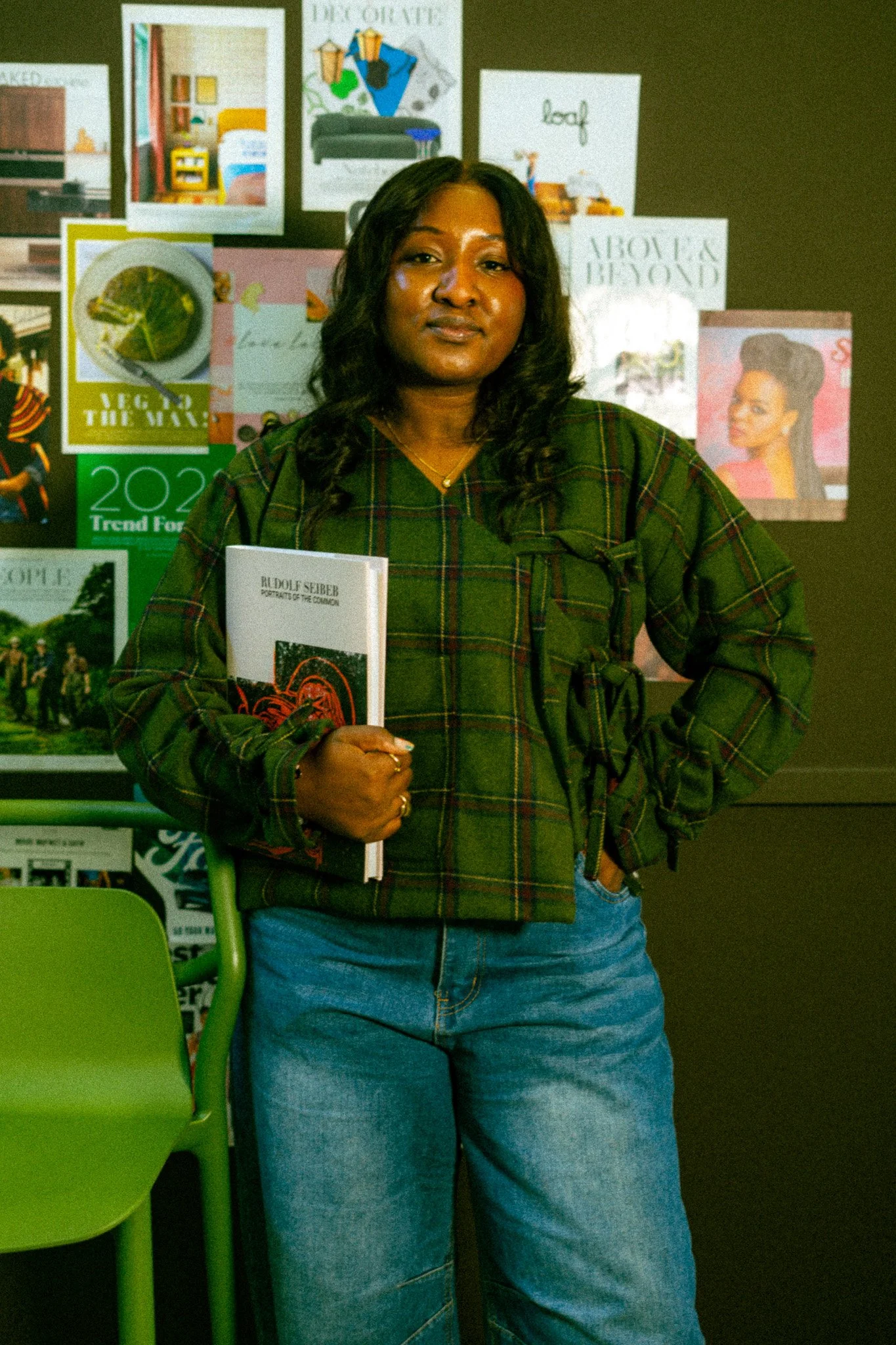
Shu, I think the new Beso (rebrand) is more me than it has ever been.
The previous Beso was loud, chirpy, full of energy. It was bright and playful and always had something to say.
And I loved her.
But this new Beso feels like me.
An introvert. Strategic. Detailed. Intentional. Surgical in its work. Less interested in being the loudest person in the room and more interested in knowing exactly what needs to be said, made or done.
I think the studio has finally caught up with the person I have become (or always have been).
What I've deliberately left at the door is my need to care so much, sometimes too much.
My tendency to burn my own light just to keep everyone else warm.
I've spent a lot of my life thinking that being useful meant being endlessly available, that caring meant carrying, and that if I could just give a little more of myself, things would be okay.
I've been working on leaving that version of myself behind personally, too.
I think that’s why this version of Beso feels so different.
We are no longer trying so hard to prove that we care (about the industry), that we’re good enough to get the jobs, the awards, the recognition.
We simply are just doing what we do best, creating amazing work, being mindful of what we take on while serving our clients.
We know that caring for the work, the people, and the industry doesn't have to mean abandoning ourselves in the process.
08 — LEGACY
Nine years in, what do you hope Beso leaves behind — not just for its clients, but for the creative culture around it?
Other than a generational run of a portfolio? Ha!
I think I hope what stays with people is a commitment to doing more than good enough. Fighting mediocrity, like I like to say.
I want Beso to have contributed to pushing the boundaries of what we consider to be “Namibian standards.” Not that I think everything needs to look bigger, louder or more international, I believe we are capable of more thoughtful, more considered, more ambitious creative work.
I hope people who encounter Beso (clients, creatives, young designers, collaborators) walk away believing they can stand tall in what makes them different.
That their unique perspective isn't something they need to edit out to be taken seriously.
That being Namibian doesn't have to mean fitting into a particular visual language or shrinking our ideas to what we think the market will understand.
I want us to make work that feels deeply cemented in where we come from, while still being able to sit comfortably anywhere in the world.
And perhaps most importantly, I hope Beso leaves behind a little more belief.
Belief that you can make beautiful things here.
Belief that you can build meaningful creative careers here.
Belief that our ideas are worth investing in.
Belief that our stories deserve to be told - thoughtfully, beautifully, and on our own terms.
If nine years from now, someone looks at the work Beso made and thinks,
“They made us believe we could do that too,”
I'd be very happy with that legacy.
09 — THE NEXT CHAPTER
If the first nine years were about proving that you could build something, what do you believe the next nine are asking you to become?
Shu!
I don't think people are ready for what's about to come.
We've done the hard part. We've lived through the difficult season. We've built the strength to withstand it. We've questioned everything. We've stripped Beso back to its bones, figured out who we are, what we believe in and, more importantly, what we are capable of.
And I think for the first time, we are really standing in our power.
Before, we were asking for permission to exist. We were trying to find our place in the industry, trying to prove that we belonged, trying to make ourselves small enough to fit into whatever we thought the industry expected us to be.
Through this rebrand (that rebrand was really something I tell you), I realised that constantly asking for permission had also taught us to think small.
It made us question whether we were good enough.
It made us wonder if our ideas were ambitious enough, polished enough, Namibian enough, or whatever enough we thought we needed to be.
Welp… That's over now!
The next nine years (whatever that looks like for Beso) are about becoming fully, unapologetically ourselves.
I think the next chapter is about what happens when you finally understand your value and stop negotiating with yourself about whether you're allowed to take up the space.
So, what are we being asked to become?
Bigger in imagination. Deeper in meaning. Bolder in execution. And completely certain of who we are.
We've spent nine years building the foundation.
Now we're going to build from it.
It's about to get really good! *smirks