
Adapting Your Marketing Strategy to Combat Social Media Fatigue
Can we all agree that social media has become exhausting?
The excessive and compulsive use of it has caused users to feel tired of being online. This phenomenon is known as Social Media Fatigue (SMF; Ravindran et al., 2014). We find ourselves doom-scrolling for hours, seeing advertisements, sponsored posts and an excessive use of AI-generated content. Less and less content feels genuine, and people don’t feel connected to one another or to brands anymore. It all feels staged.

This is why people have opted to replace digital items with analogue activities. Don’t you miss the simple pleasures of journaling, taking pictures with a film camera, building puzzles, playing games, or reading a book? It’s not like these aren’t things we can do… it just feels like we don’t see the value in them anymore unless we post about them online.
People crave human connection, offline activities and being present in their world, not living in someone else's. We understand that it is almost impossible to go cold turkey on being online, but replacing times when you would usually scroll online with an offline activity or two not only minimises your screen time but also helps you slow your brain down.
Everyone wants to learn how to be more present, to live a calmer and more regulated life by taking away instant gratification and increasing effort, attention and time spent on an activity. For the everyday person, implementing this is easier, but how can brands use this in their marketing strategy?
Adapting is The Only Way
Consumers are not only tired of social media, but they are also tired of constantly feeling like they are being sold something every time they are online. In all the existing online noise, brands are leaning into the analogue movement by making brand-aligned decisions and telling stories.
Brands need to remember who they are and what makes their customers connect with their brand emotionally. This is possible through storytelling with attention to detail, which looks like embracing slower, more intentional ways of living and creating.
Users want to see that human efforts still carry significant cultural weight, even against the rapid growth of AI. Consumers crave offline experiences; they are looking to brands for in-person experiences that elevate their consumer experience and promote connection.
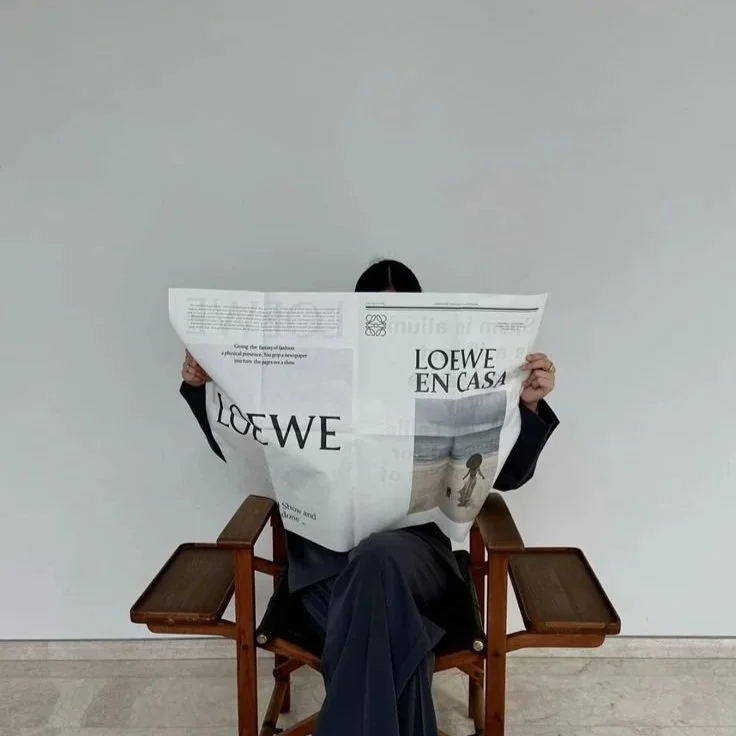
“Instead of thinking ‘what will this make people post,’ we think of ‘what will they feel, what will they remember, what will they talk about after they leave.”
A brand's ability to tell a story forces it to stay true to its ethos, which is critical in gaining trust with the consumer. Adapting your brand strategy to support this movement by simply seeing what the consumer needs, making it unique to your brand, and promoting connection through experiences that help people get off their screens and live in the present will keep your brand marketing moving with the times.
How Other Brands Are Getting It Right
Polaroid
A camera for an analogue life, a campaign created by Polaroid for the launch of its new Flip Camera, is an example of how brands can adapt to the analogue movement.
The campaign makes a statement in an AI-saturated world, focusing on ways to make people stop, reflect and put down their phones. With provocative copy lines like “No one on their deathbed ever said: I wish I’d spent more time on my phone,” or “real stories not stories and reels,” paired alongside real-life Polaroid photos, it reminds us of the importance of connection and living in the moment.
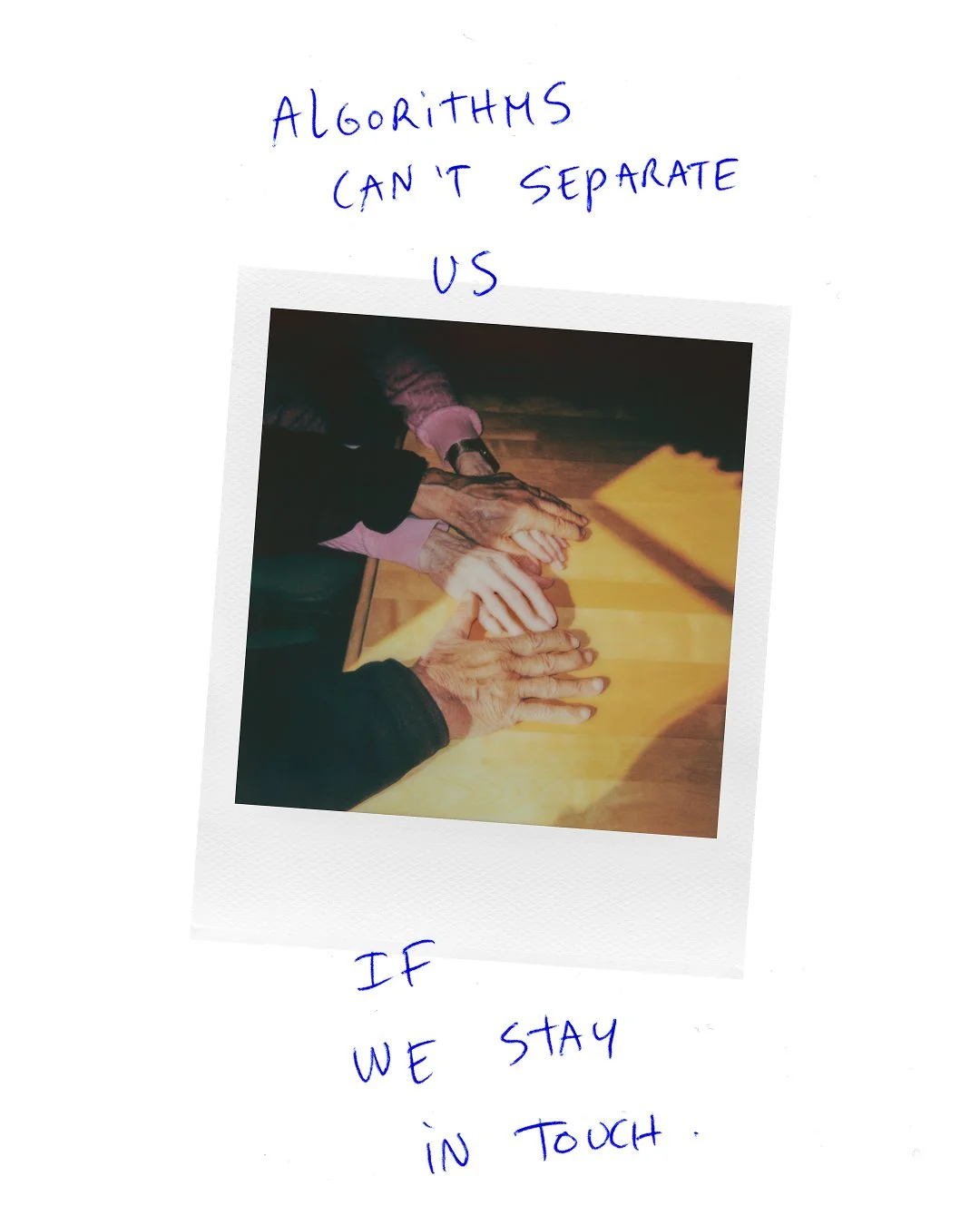
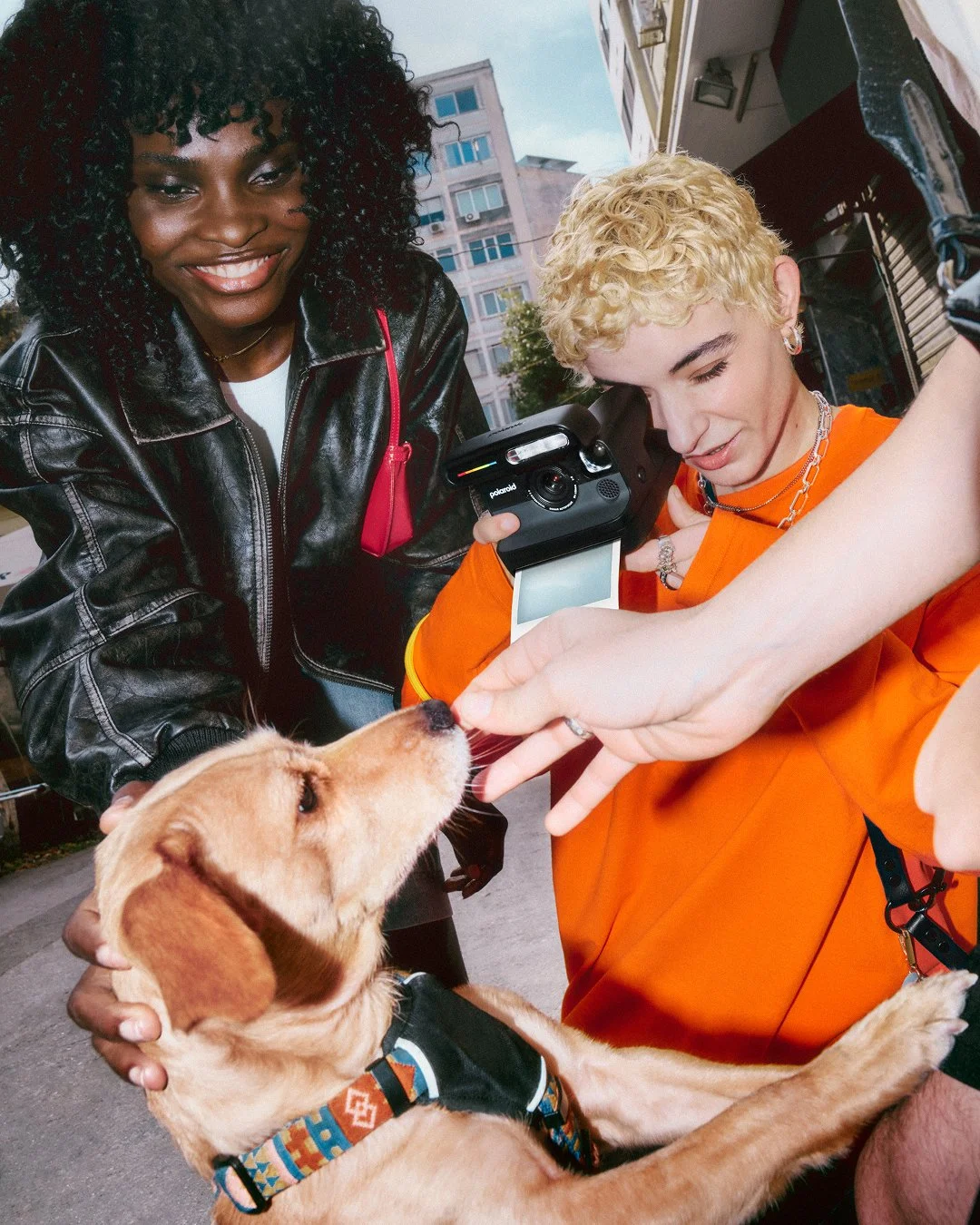
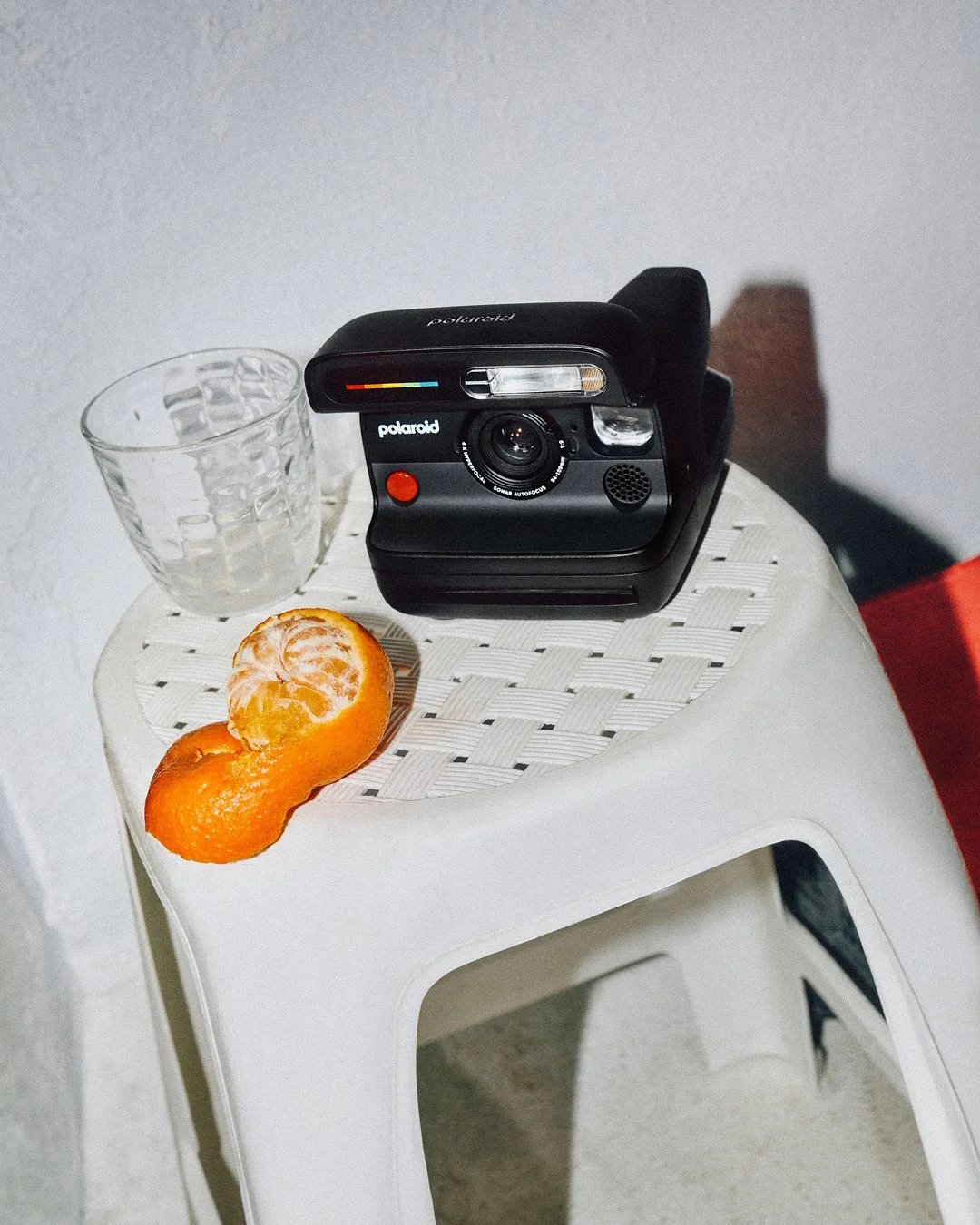
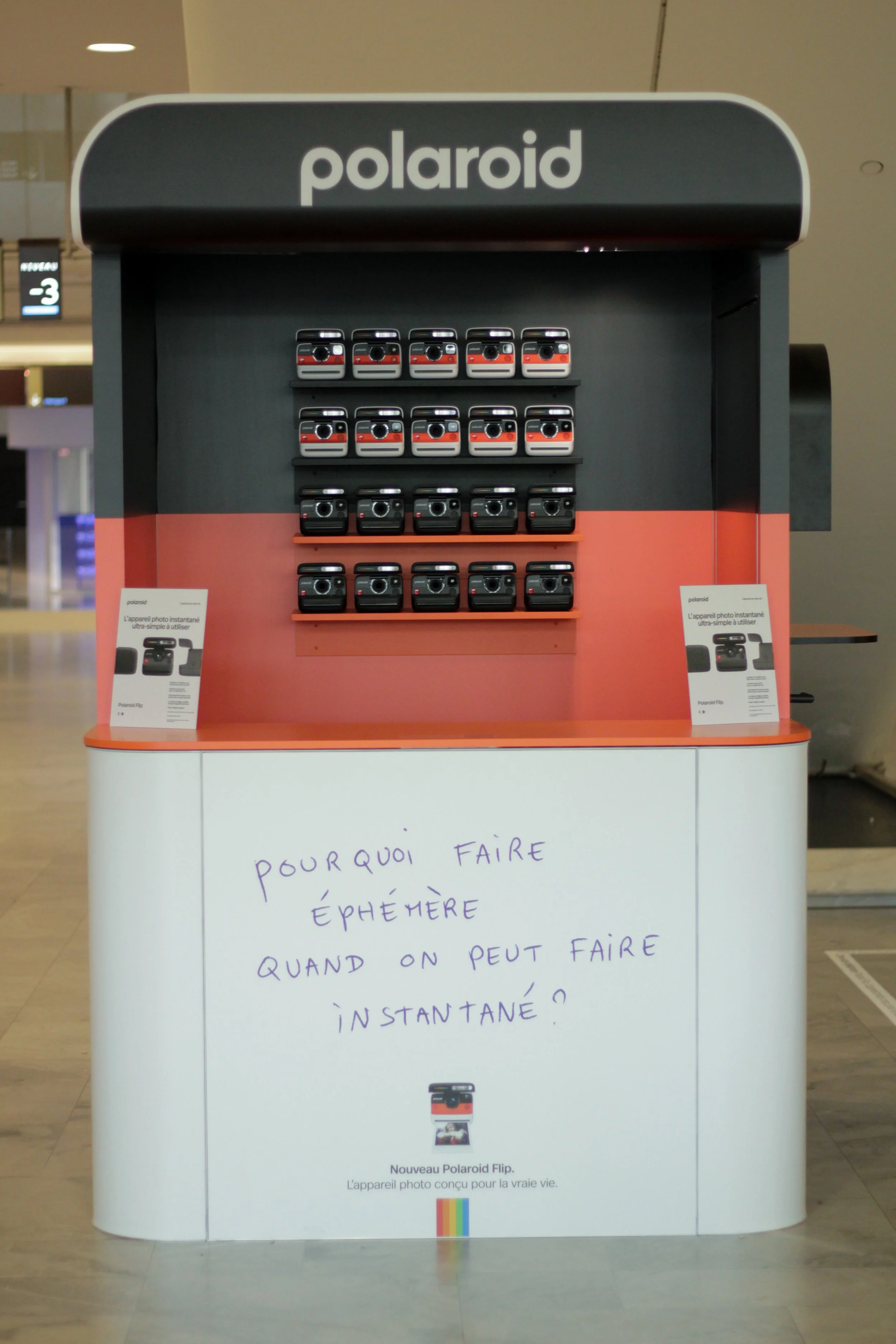
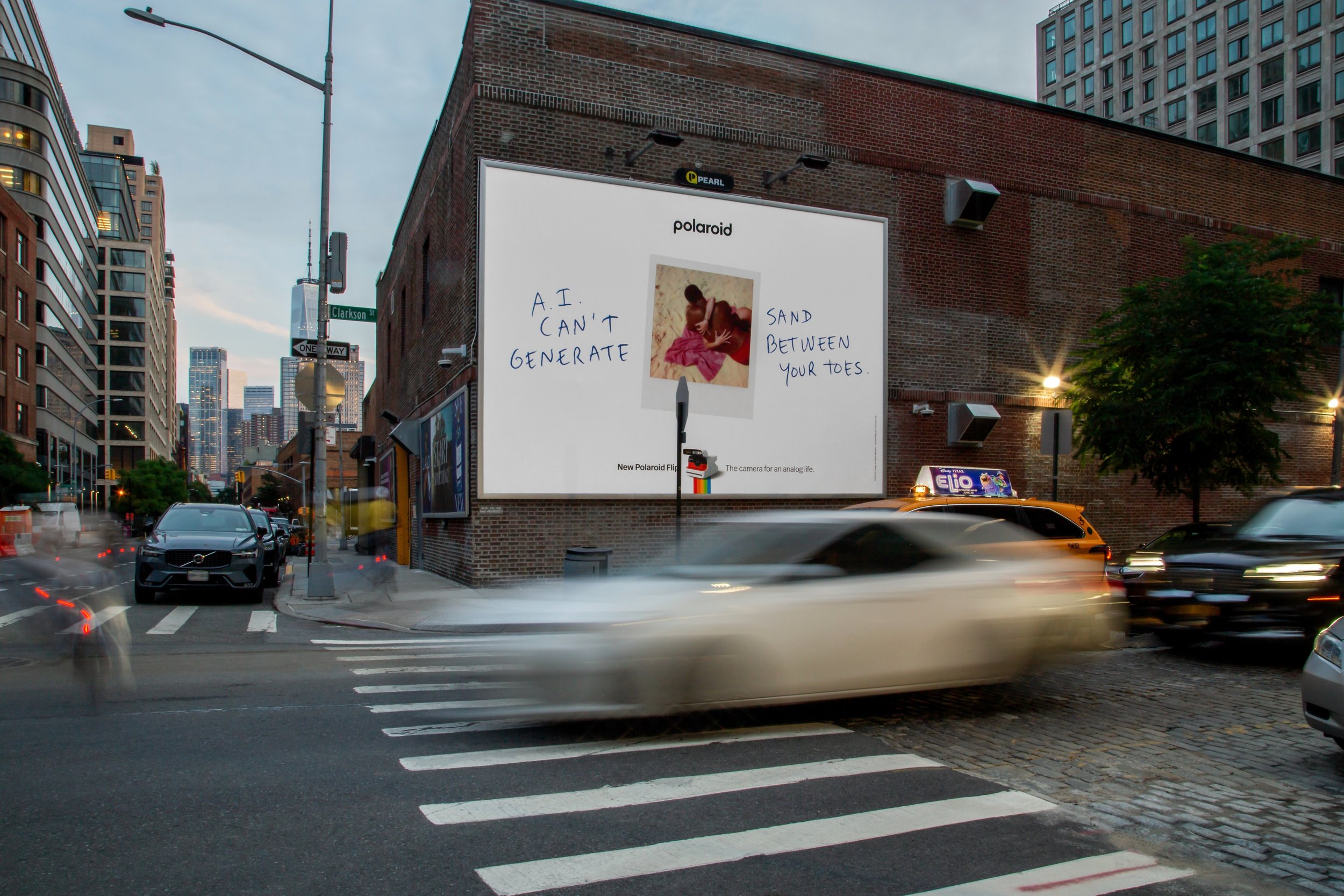
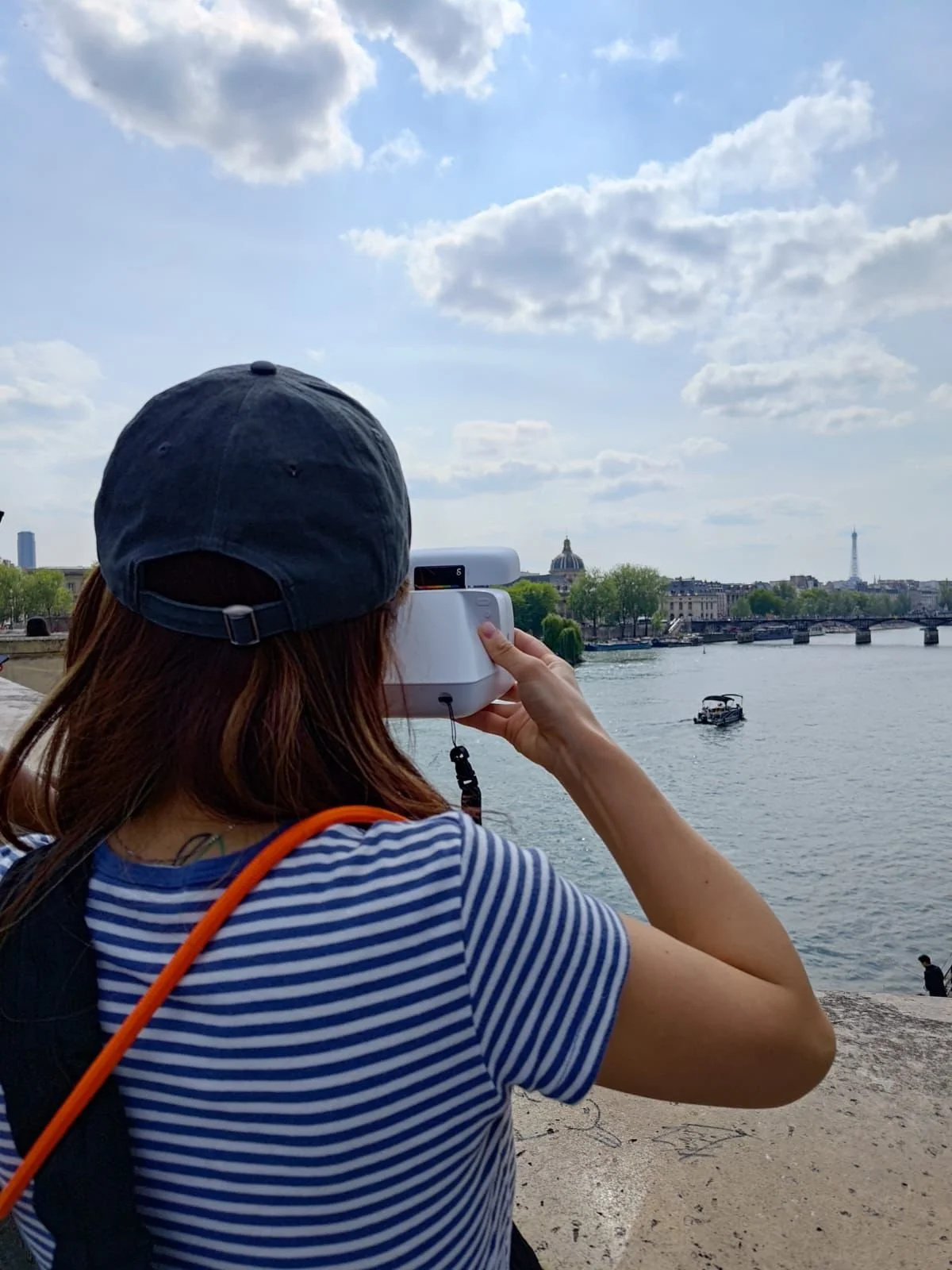
The campaign was brought to life through the creation of phone-free walking tours, an experience where people lock away their phones and spend one hour walking around cities like Paris, Tokyo and London using the Polaroid Flip. The tour ends with the chance of receiving a postcard-version of one of the photographs captured during the tour, creating a real connection in a digital world.
Miu Miu
The Miu Miu Literary Club creates a series of cultural experiences to promote the arts. These events bring people together to talk about books, ideas and the stories that shape them.
Each event is themed with corresponding books that are chosen to guide and spark up the conversations. The past two editions were central to Miu Miu’s identity and the lives of women today; the theme ‘Women’s Education’ paid close attention to women’s literary work, discussing girlhood, love, and sex education, and the roles that women play in romantic relationships and in society.
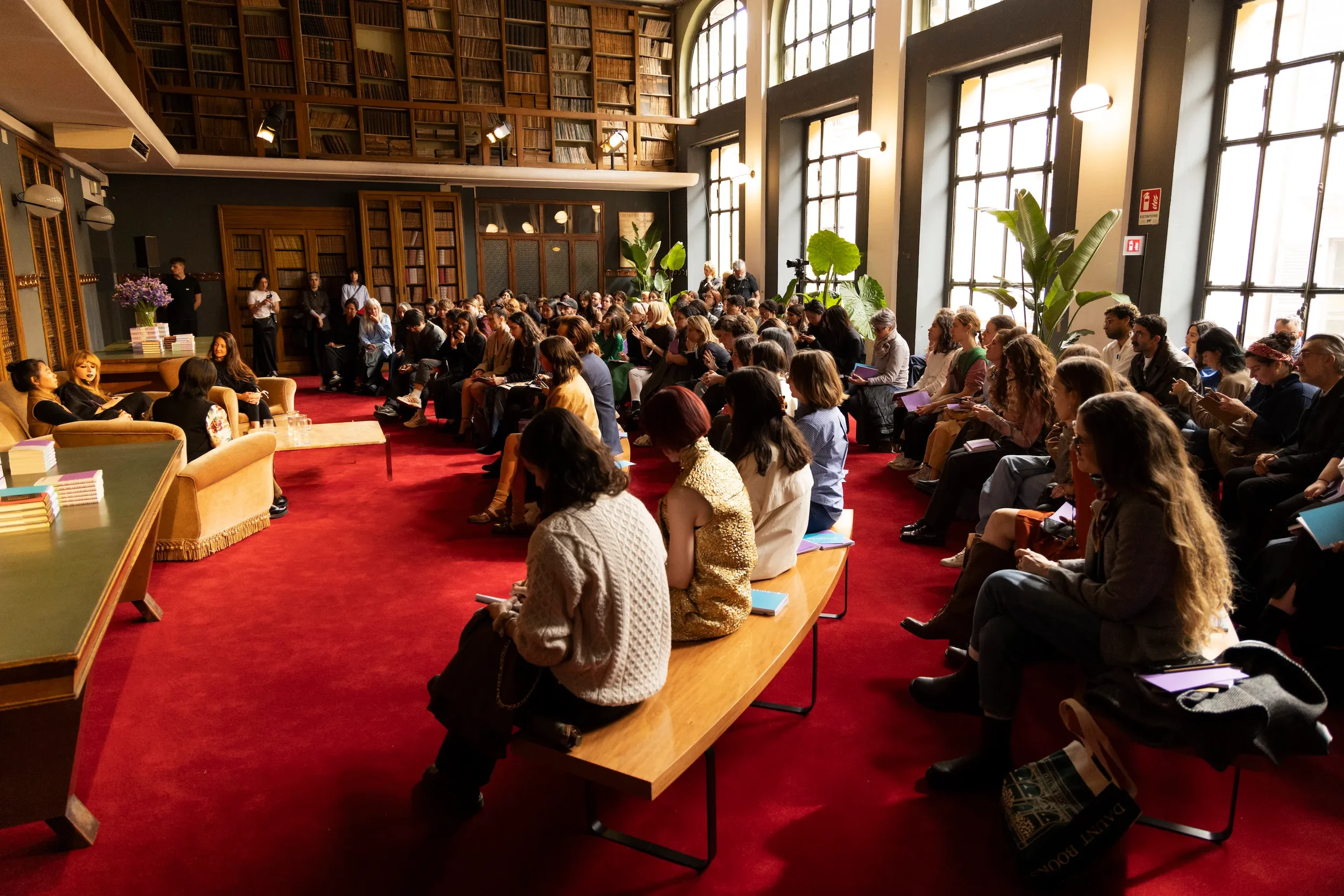
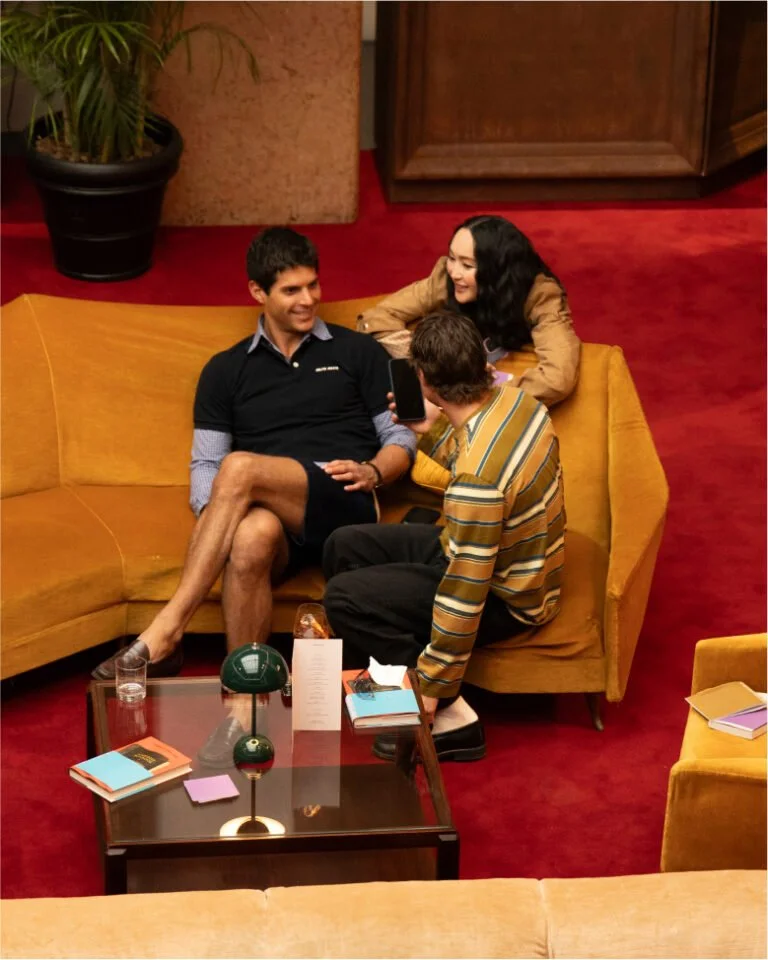
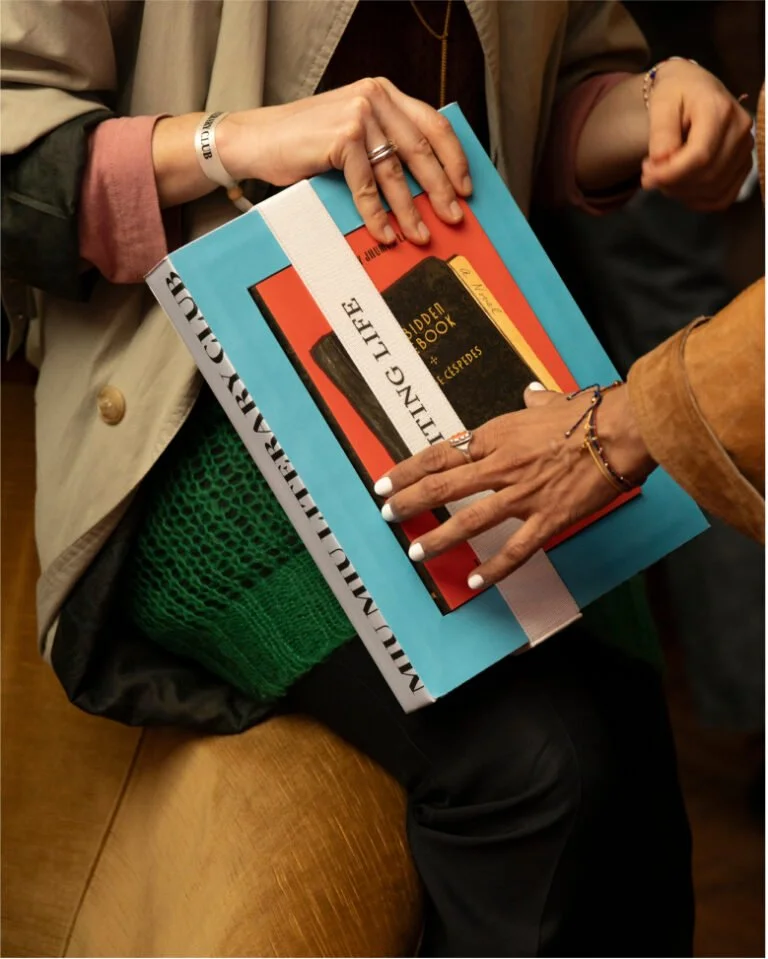

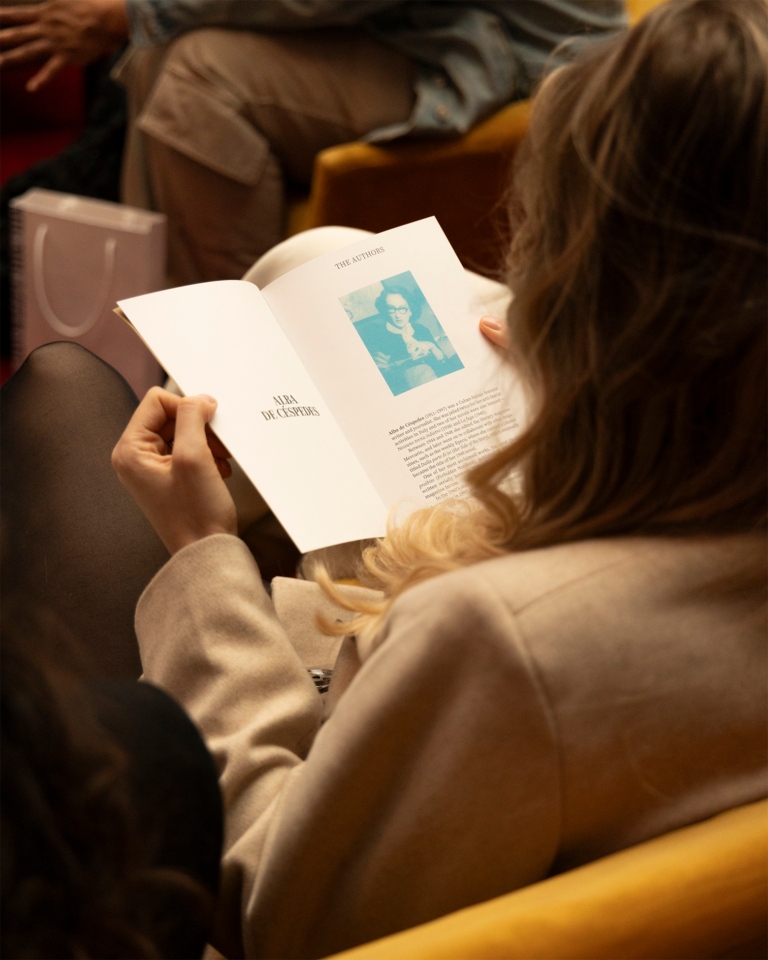
The events have an array of activations such as panel discussions, poetry readings and even live performances. Miu Miu’s take on ‘reading can be cool and sexy’ looks at how fashion can find its place in the world of literature by creating happenings that hold space for discussions and promote community, while event attendees wear Miu Miu pieces. It is an experience that promotes connection, being present, and taking part in conversations that broaden your world.
It is very possible to use analogue methods in brand marketing today, brands just need to find the place where who they are and what the customer wants, and needs intersect.
How You Can Implement This Into Your Marketing Strategy
Africa has never needed a trend to remind it of the value of human connection. Ubuntu ("I am because we are") is not a new philosophy to us; it is the foundation of how communities across this continent have always lived, gathered, and shared.
In Namibia, this idea lives in the open-door culture of our neighbourhoods, in the way we celebrate, mourn and build together. The analogue movement that the rest of the world is scrambling toward has always been our way of life. So for Namibian and African brands, this is not about reinventing the wheel; it means going back to what we already know.
Local brands like Namibia Breweries have long understood that their product is really about togetherness, the braai with friends and family, the after-work drink, the stadium crowd, etc. The opportunity now is to build intentional experiences around those moments. In real life, this can be a community braai in Katutura, a sunset gathering at the local market, or a storytelling night where your brand holds the space but does not dominate it.
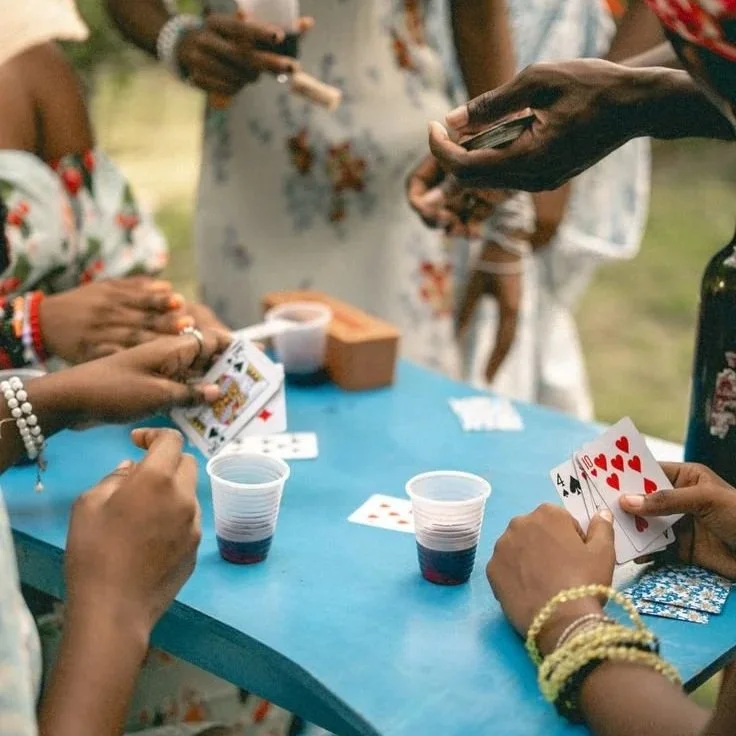
Think about the power of phone-free moments where people are present and engaged. Brands that embed themselves genuinely into these spaces can contribute something more special rather than just advertising, and earn the kind of loyalty that cannot be bought.
The framework here is simple: meet people where they already gather. Physical spaces like the mall, the park, local bars, and the church hall remain where the majority of Namibians connect daily. Reimagine your marketing by creating memorable, experience-first moments that leave people with the feeling of your brand. Remember, you are not only selling a product or service; you are making a customer for life through human-centred marketing. And we live in a country where word of mouth still travels faster than any algorithm. That might just be one of the most powerful strategies you have.
“Simply put, the brands that will win in 2026 are the ones that show up in real life, in meaningful ways, for real people.”
What will your 2026 analogue activities be? Let’s unplug and start connecting with one another again.
The brands that do this will be the ones to succeed.
Works Cited
2026 Is The Year Of ‘Analogue’ Living—How Will This Impact Fashion?
Polaroid’s new campaign pushes back against the reign of screens and AI, and celebrates analog
